For believing family and friends
The people in this survey were asked what they wanted from the members who stayed. This is what they said.
If someone you love has stopped believing, you are reading this because you want to understand, and possibly because you want to bring them back. Start with what the 3,086 people in the 2011 survey said about you.
What they most want you to know
They did not leave because of sin, offense, or laziness. Four percent called being offended a major factor; four percent said wanting to sin. The people answering had served missions, held callings, and led wards. See the numbers.
They did not leave over one thing. The average respondent named fifteen major factors. Whatever they told you first was not the whole story, and arguing them out of it will not change the other fourteen.
They learned it from the Church's own history, not from enemies of the Church. Most of the facts that broke their shelves are now on the Church's own website, in the Gospel Topics essays. Before you tell them they have been deceived, read what the Church itself has published.
Many of them still come. Forty-four percent of respondents were still attending at least occasionally, and one in five attended every week. Most of those had told their bishop and their ward little or nothing. The person sitting next to you may be one of them.
What it costs them
More than half of respondents rated at least one cost of their disbelief as high or extremely high. The costs fell hardest on relationships. Those who stayed active paid a higher price in mental and spiritual health, and, surprisingly, with their spouses; those who left paid a higher price with parents, siblings, and friends. Young people lost their parents. Older people lost their children.
The written comments about marriage are the hardest reading in the survey. "My husband was advised by his bishop to divorce me. We had 10 children." "I have several friends who have been divorced over primarily this issue." "We desperately need a General Conference address telling spouses to not divorce an otherwise good spouse over non-belief." One respondent summarized what many said: the Church that teaches families are forever was, in their experience, the thing dividing theirs.
What they asked for
Asked what would make it possible to come back, or simply to stay, respondents gave four answers more than any other:
- Acceptance of doubt and of non-literal belief. "I just want permission to remain, to belong." "Please don't treat doubt as a sin."
- Honesty about the history. "I want us to be comfortable with our history, not in denial about it."
- Equal treatment of gay members. "Stop treating gays like they choose to be like this."
- Respect and equality for women. "Treat women equally."
Notice that none of the four is an argument. They did not ask to be persuaded. They asked to be allowed to stay without lying.
What you can do
- Ask, and then listen. Most respondents had never been asked. Ask what they learned and how it felt. Do not prepare a rebuttal while they answer.
- Do not assume. Not sin, not offense, not Satan, not anti-Mormon literature. If you must assume something, assume they read the Gospel Topics essays.
- Say the relationship comes first, and mean it. The single most damaging thing a family can do is make belief a condition of belonging. The single most healing thing is to say, out loud, that it is not.
- Do not divorce over it. If your bishop suggests it, get a second opinion. Mixed-faith marriages can and do thrive; see the resources.
- Do not make the children the battlefield. Agree on what you will tell them, together.
- Read what they read. Not to be convinced, but so that you are talking about the same facts.
- Stay in their lives. The costs in this survey were relationships. You can decide not to be one of them.
For bishops and other leaders
Respondents asked, repeatedly, that local leaders be told the truth about why members leave. "Please find a way to educate the local leaders that some members lose their faith in the church for various reasons which don't involve sinning, being offended by someone, or being influenced by demonic powers. Teach them to be respectful and to listen more." The research page is a place to start. So is the Church's own history.
Episodes that help most here
-
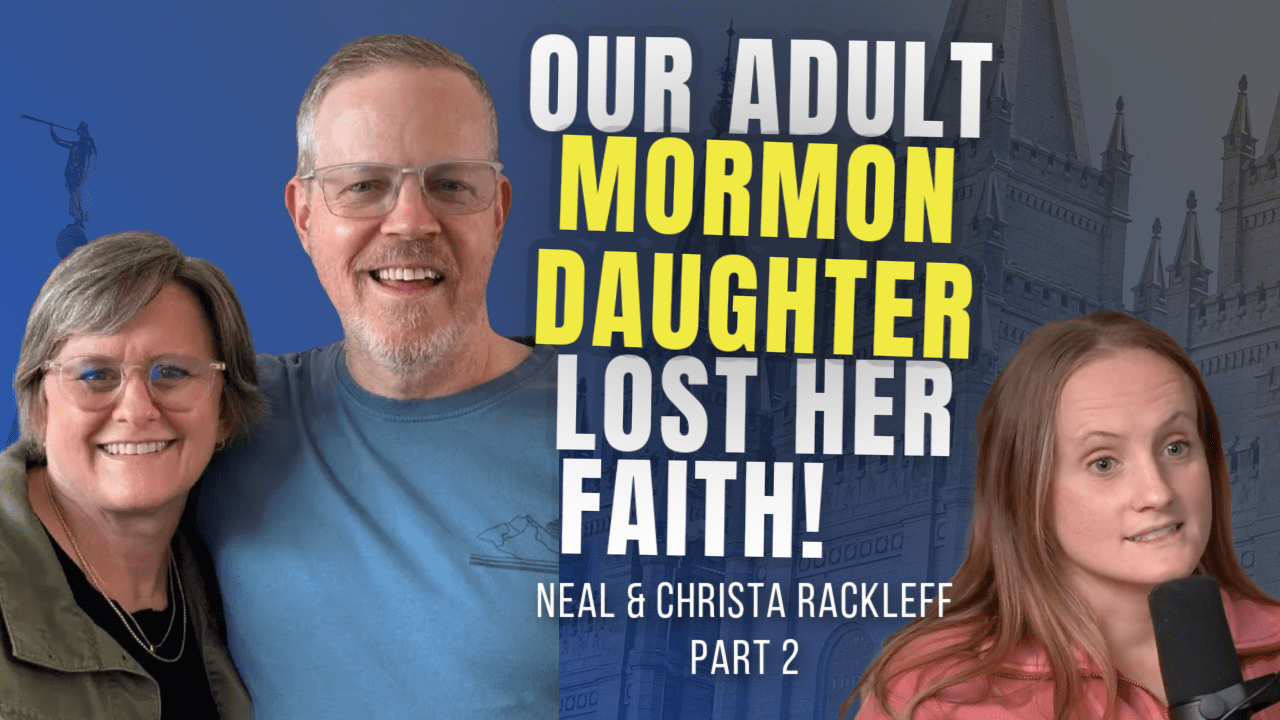 Our Adult Mormon Daughter Lost Her Faith! w/ Neal & Christa Rackleff | Ep. 2018
Mormon Stories 2018, 2025 · 179k views · hear a moment at 3:42:55
-
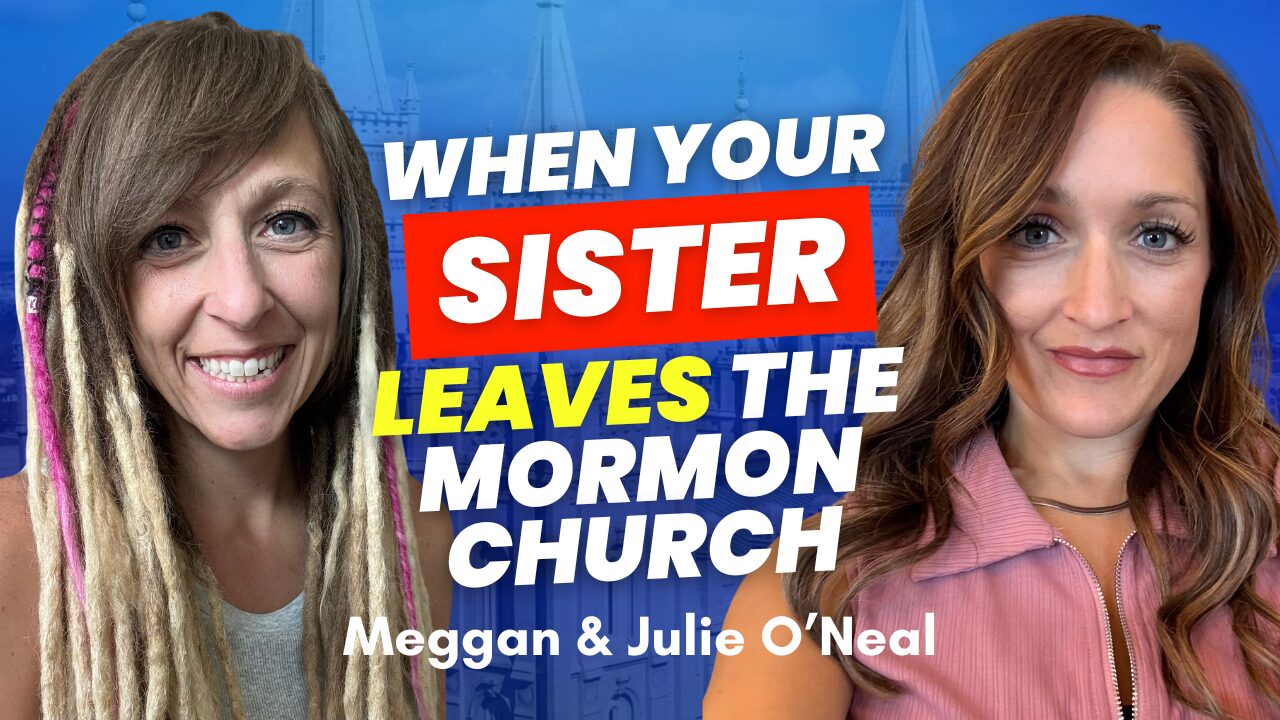 When Your Sister Leaves the Mormon Church – Meggan & Julie O’Neal | Ep. 2144
Mormon Stories 2144, 2026 · 124k views · hear a moment at 3:23:47
-
 How to Improve Your Marriage After One of You Loses Their Testimony | Ep. 157-159
Mormon Stories 157, 2010
-
 Navigating a Marriage When One Loses Their LDS Testimony | Ep. 182-185
Mormon Stories 182, 2010
-
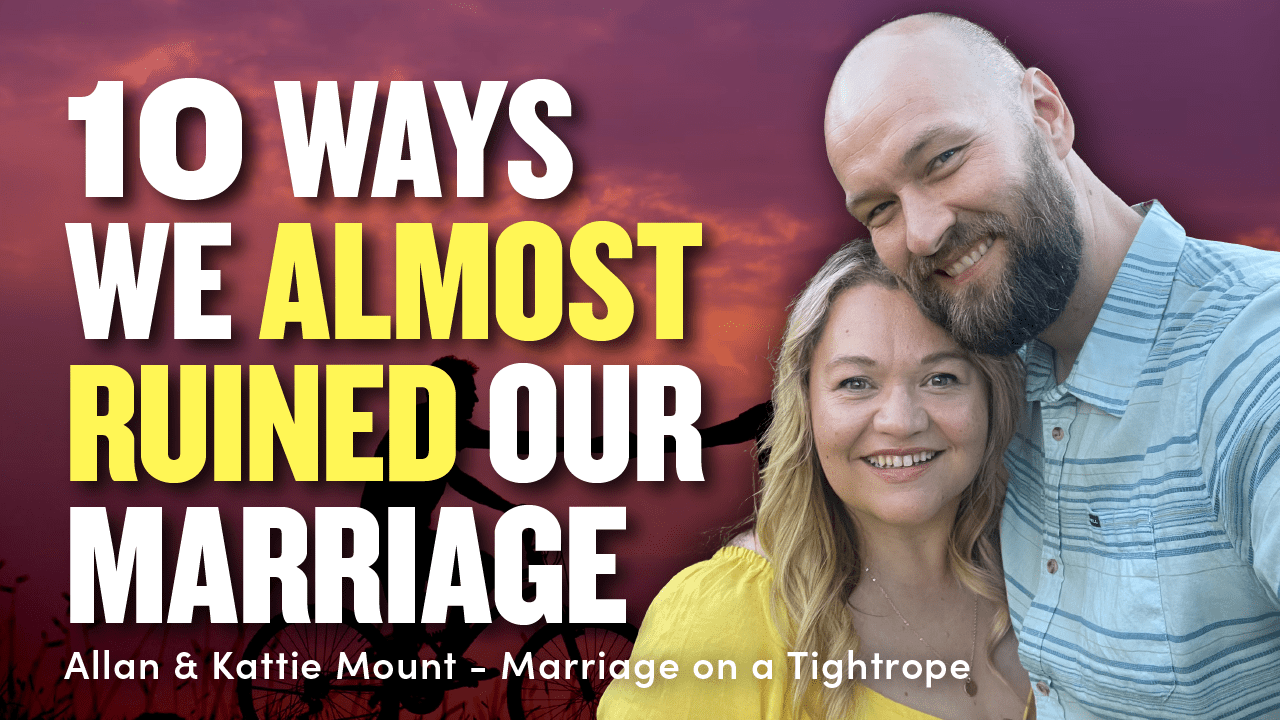 How We Almost Ruined Our Mixed-Faith Marriage | Ep. 1799
Mormon Stories 1799, 2023 · 16k views · hear a moment at 1:54:04
-
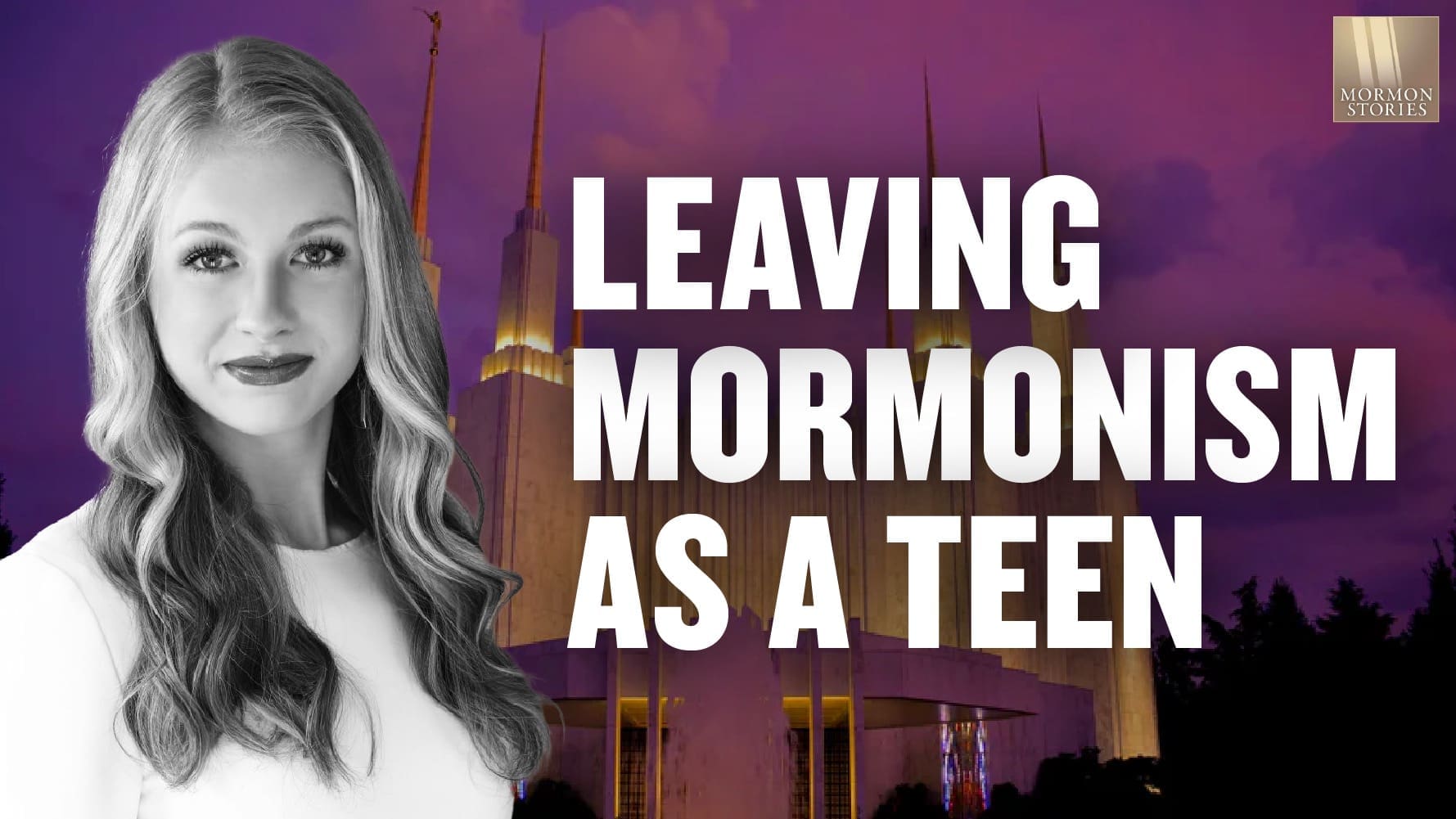 1457: Lessons I’ve Learned Leaving the Mormon Church as a Teen – Brinley Young
Mormon Stories 1457, 2021 · 31k views · hear a moment at 2:29:52
Ranked by the Mormon Stories episode recommender: what the transcripts say, what the titles and categories say, how widely the videos are watched, and what editors have pinned. Rebuilt with the site. Video plays here when you press play; the episode page has the audio and transcript.