The reasons
Every reason on these pages was named by real people: in the 2011 survey of 3,086 former believers, in the 2014 crowd-sourced list built from their comments, and in two decades of Mormon Stories interviews. Where a reason has a number attached, the number is the share of survey respondents who rated it a major factor. Where the Church has published its own account of the issue, that account is linked.
The founding claims
The Church stands or falls on a small set of historical claims: that Joseph Smith saw God, translated an ancient record, restored priesthood authority, and was commanded to practice plural marriage. These are the issues former believers rank highest.
The Book of Mormon
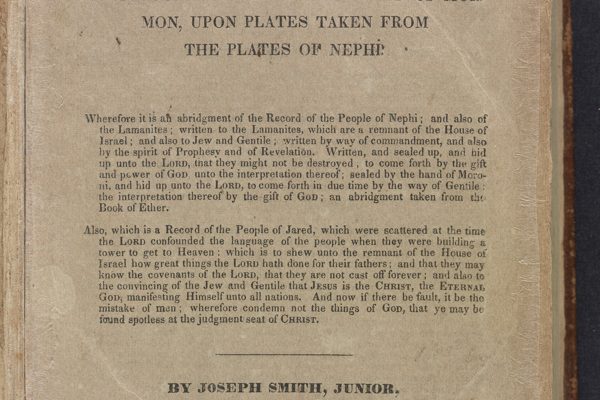
The book the Church calls its keystone describes horses, steel, and Hebrew migrants in a pre-Columbian America that archaeology, genetics, and linguistics have not found.
65% major factor (2011 survey)
The Book of Abraham
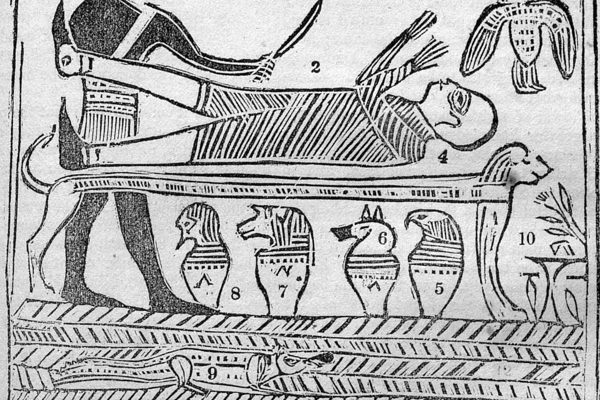
Joseph Smith published a translation of Egyptian papyri. The papyri survived, Egyptologists can read them, and they are ordinary funerary texts from centuries after Abraham.
59% major factor (2011 survey)
Joseph Smith
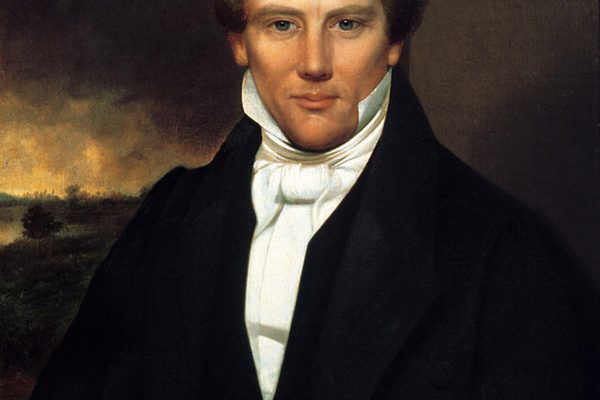
The First Vision was recorded in several conflicting versions, the priesthood restoration was announced years after the fact, and the founder's career before and after 1830 raises questions about his credibility.
70% major factor (2011 survey)

Polygamy and polyandry
Joseph Smith married more than thirty women, some already married and some in their teens, while publicly denying it. For women in particular this was the fastest-rising reason in the survey.
59% major factor (2011 survey)

The temple and Freemasonry
The endowment was introduced seven weeks after Joseph Smith became a Mason, borrowed its signs and tokens from Masonic ritual, and has been revised repeatedly since.
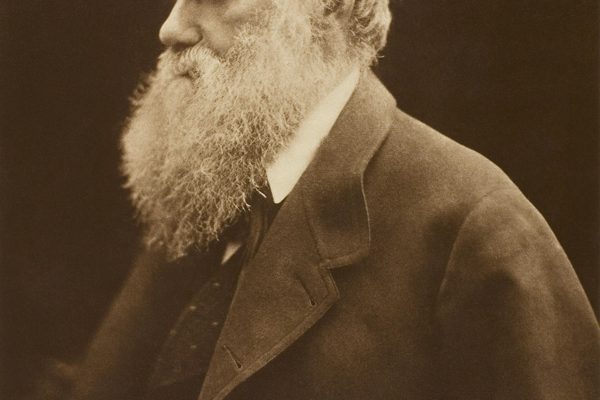
Science and the Church
A global flood, a six-thousand-year-old earth, a literal Adam in Missouri, and no death before the Fall were taught as doctrine. Respondents who took science seriously could not hold both.
40% major factor (2011 survey)
How the history was told
For many, the problem was less the history than the gap between the history and what they had been taught. In the 2011 survey's written comments, no theme came up more often.

Studying the history
The most common thread in the survey's written comments was not any single event. It was discovering that the history taught in church had been sanitized, and learning the rest alone.
70% major factor (2011 survey)

Race and the priesthood
For 126 years Black members were barred from the priesthood and the temple, on the authority of prophets who taught the ban was God's will. In 2013 the Church disavowed the reasons but not the men who gave them.
55% major factor (2011 survey)
Doctrine and belief
Some stopped believing particular teachings. Some stopped believing that any one church could be the only true one. Some stopped believing in God.
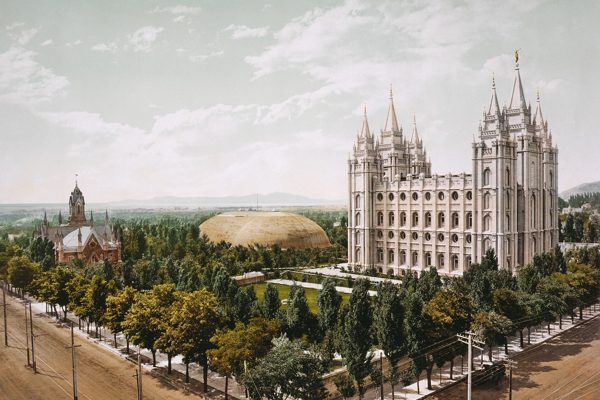
Doctrine and theology
The single most common major factor. Respondents stopped believing what the Church teaches about God, salvation, obedience, and its own exclusive authority.
74% major factor (2011 survey)

The one true church
Members are taught that theirs is the only church with God's authority and that the feeling confirming it is knowledge. Many respondents discovered the feeling is not unique and the claim does not hold.

God, Jesus, and spiritual experience
A minority lost faith in God or in Jesus; a larger group never received the promised witness, or stopped trusting the one they had. After leaving, a majority identified as agnostic, atheist, or humanist.
How people are treated
Women, LGBTQ members, Black members, abuse survivors, and the members asked to fund it all. These are the reasons that were rising fastest when the survey was run, and they have only grown since.
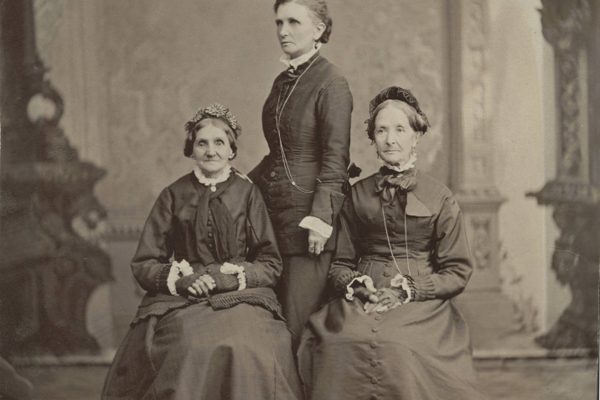
Women
Women are excluded from priesthood and from every decision-making body, taught a narrow set of roles, and asked to accept an eternity in which polygamy remains doctrine. This was the issue women rated highest of all.
47% major factor (2011 survey)

LGBTQ members
The fastest-rising reason in the survey. Gay members were told their attraction was a choice, sent to change it, encouraged into mixed-orientation marriages, and then, in 2015, their children were barred from baptism.
48% major factor (2011 survey)
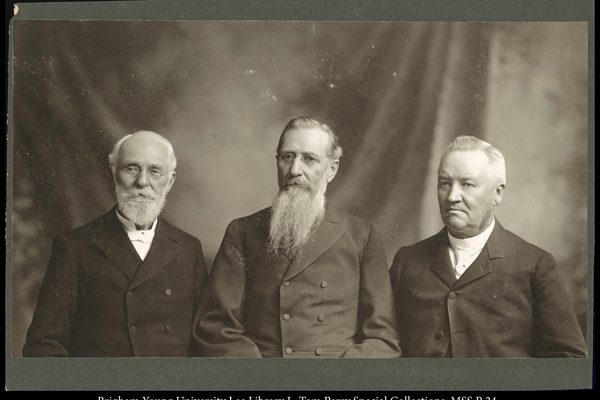
The leaders
Half of respondents lost confidence in the general authorities. They expected prophets, seers, and revelators; they described finding administrators who had been wrong about important things and never said so.
50% major factor (2011 survey)

Abuse and how it was handled
Few respondents named their own abuse as a reason. Far more named the Church's handling of it: a help line that routes to lawyers, bishops who protect abusers, and one-on-one interviews of children about sex.
7% major factor (2011 survey)

Money
A billion-dollar mall, a hundred-billion-dollar fund hidden from members and regulators, and no published accounts. Tithing is a condition of temple worthiness; where it goes was a theme of the written comments long before the numbers were known.
What church life felt like
Not every reason is an argument. Some people simply stopped being fed, or found the culture unlivable, or were never really inside it to begin with.

Not being fed
Nearly half of respondents said they simply stopped being spiritually nourished. Three hours of correlated lessons, repeated on a four-year cycle, taught by rotation, are experienced by many as empty.
47% major factor (2011 survey)

The culture
Judgment, perfectionism, conformity, shame about bodies and sex, politics from the pulpit, and no room for anyone who does not fit the mold. Respondents under thirty rated this higher than anyone.
33% major factor (2011 survey)
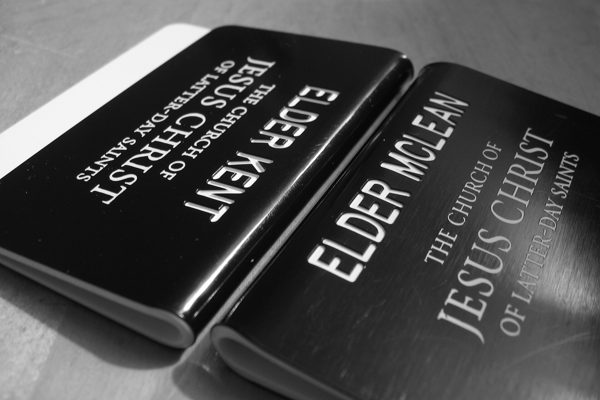
Never really in
The largest group of people who leave were never fully converted or integrated to begin with. They are not who this site is mainly about, but no honest account of Church attrition can leave them out.
What rarely causes it
The explanations believing members reach for first turn out, when you ask the people who left, to be the least common reasons of all.