The reasons › The founding claims
The Book of Mormon
The book the Church calls its keystone describes horses, steel, and Hebrew migrants in a pre-Columbian America that archaeology, genetics, and linguistics have not found.
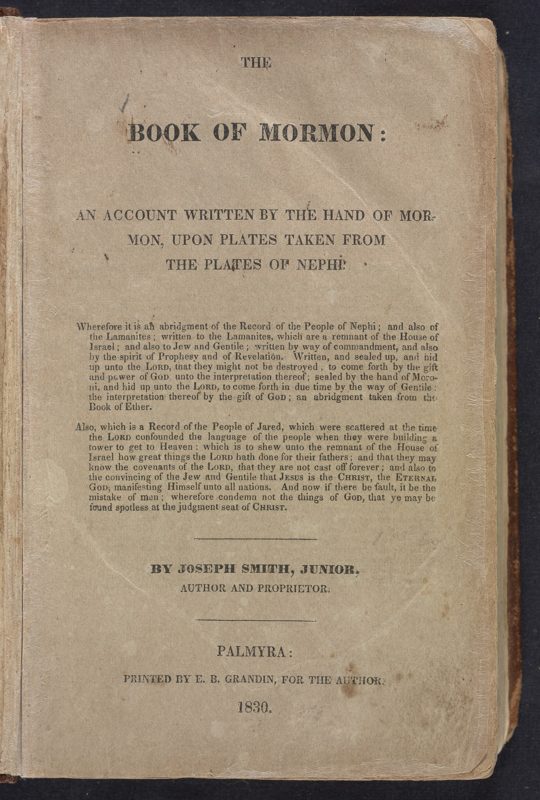
What members were taught
Joseph Smith translated gold plates by the gift and power of God, using the Urim and Thummim. The book is a literal history of Israelites who became the principal ancestors of the American Indians, and archaeology would one day confirm it. Pray about it and the Holy Ghost will tell you it is true.
What the record shows
The book the Church calls its keystone describes horses, steel, and Hebrew migrants in a pre-Columbian America that archaeology, genetics, and linguistics have not found.
For most of the twentieth century, Latter-day Saints were taught that the Book of Mormon was a literal history of Israelites who sailed to the Americas around 600 BC and became the principal ancestors of Native Americans, and that Joseph Smith translated it from gold plates by the gift and power of God, using the Urim and Thummim. Almost every element of that picture has been revised, qualified, or quietly dropped by the Church's own historians.
The people in the 2011 survey did not usually reach the Book of Mormon first. They came to it after studying something else, then asked whether the book itself held up. Two in three said that losing faith in it was a major factor in losing faith altogether. Men rated the scientific problems (genetics, anachronisms) more heavily than women did; both rated the seer stone and the witnesses about the same.
What makes this issue so heavy is what the Church has always said about it. The Book of Mormon is presented as the "keystone" of the religion and the test of everything else: if it is what it claims to be, Joseph Smith was a prophet and the Church is true; if it is not, none of the rest follows. Members are taught to pray about the book and to treat the resulting feeling as knowledge. Many respondents described the moment they realized that the same method produces the same feeling in believers of every religion, and that the question of whether Nephites existed is a question about evidence, not about sincerity.
In their words
“I feel like I was lied to. I was told that the Book of Mormon was written by Native Americans who came from Israel. There's absolutely no evidence that any Native American tribe is Semitic.”
Quotes are taken from machine-made transcripts of Mormon Stories interviews and may contain small transcription errors. Each links to the moment in the recording so you can hear it for yourself.
What people actually name
From the crowd-sourced 2014 comprehensive list, lightly edited.
- DNA studies place the ancestry of Native Americans in Asia, not the Near East.
- No agreed geography, and no site, city, coin, or inscription tied to the text.
- Animals, plants, and technologies named in the book (cows, horses, wheat, barley, steel swords, chariots, silk) were absent from the pre-Columbian Americas; well-known native species and crops go unmentioned.
- Long passages of Isaiah quoted verbatim, including chapters scholars date to after Lehi's departure from Jerusalem.
- Resemblances to other books in circulation in the 1820s, including View of the Hebrews and The Late War.
- The theology of the book matches Joseph Smith's teachings in 1829 and lacks the doctrines he introduced in Nauvoo.
- Witness statements that shifted over time, including Martin Harris describing seeing the plates with "spiritual eyes."
- The plates were not consulted during translation; the text was dictated with a seer stone placed in a hat.
What the Church has said
- Gospel Topics essay: Book of Mormon Translation — acknowledges the seer stone and hat
- Gospel Topics essay: Book of Mormon and DNA Studies — argues DNA cannot settle the question
- Church History Topics: Seer Stones
Hear it first-hand
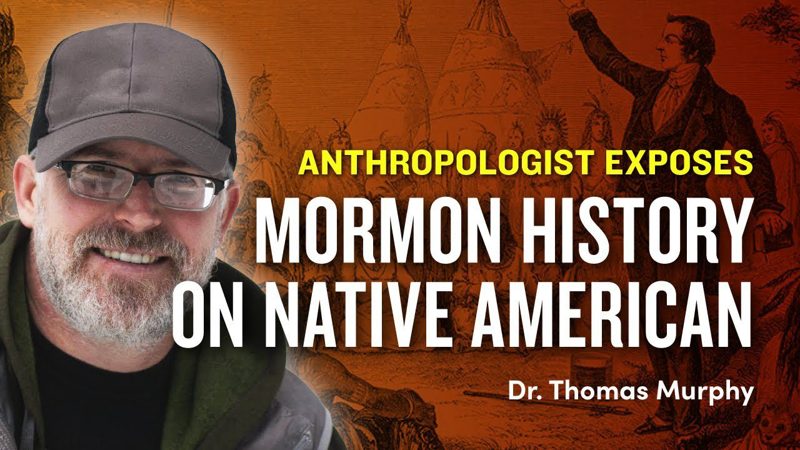 Dr. Thomas Murphy on the Book of Mormon, DNA, and his cancelled disciplinary council Mormon Stories 639, 2016
The anthropologist whose 2002 DNA paper nearly cost him his membership, on what the genetics show.
More episodes on this, ranked
Mormon Stories interviews where this comes up most, beyond the ones chosen above.
-
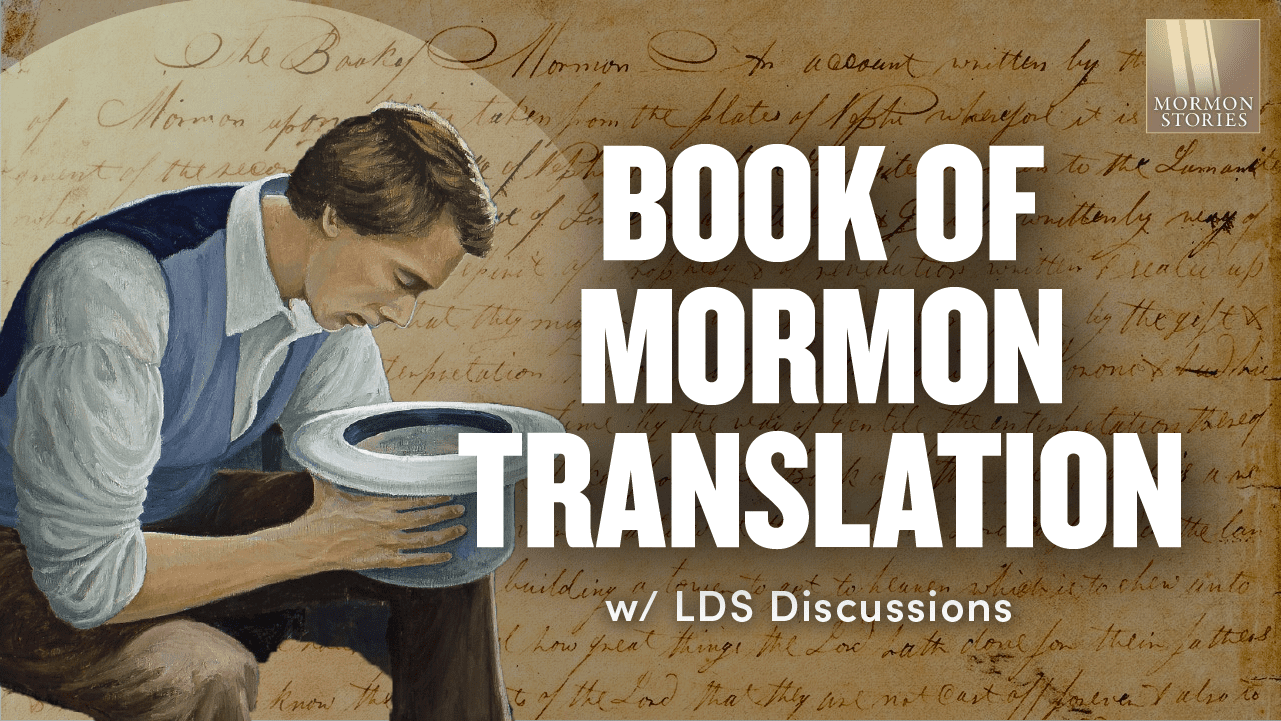 Book of Mormon Translation w/ LDS Discussions – 03 | Ep. 1585
Mormon Stories 1585, 2022 · 101k views · hear a moment at 2:33:05
-
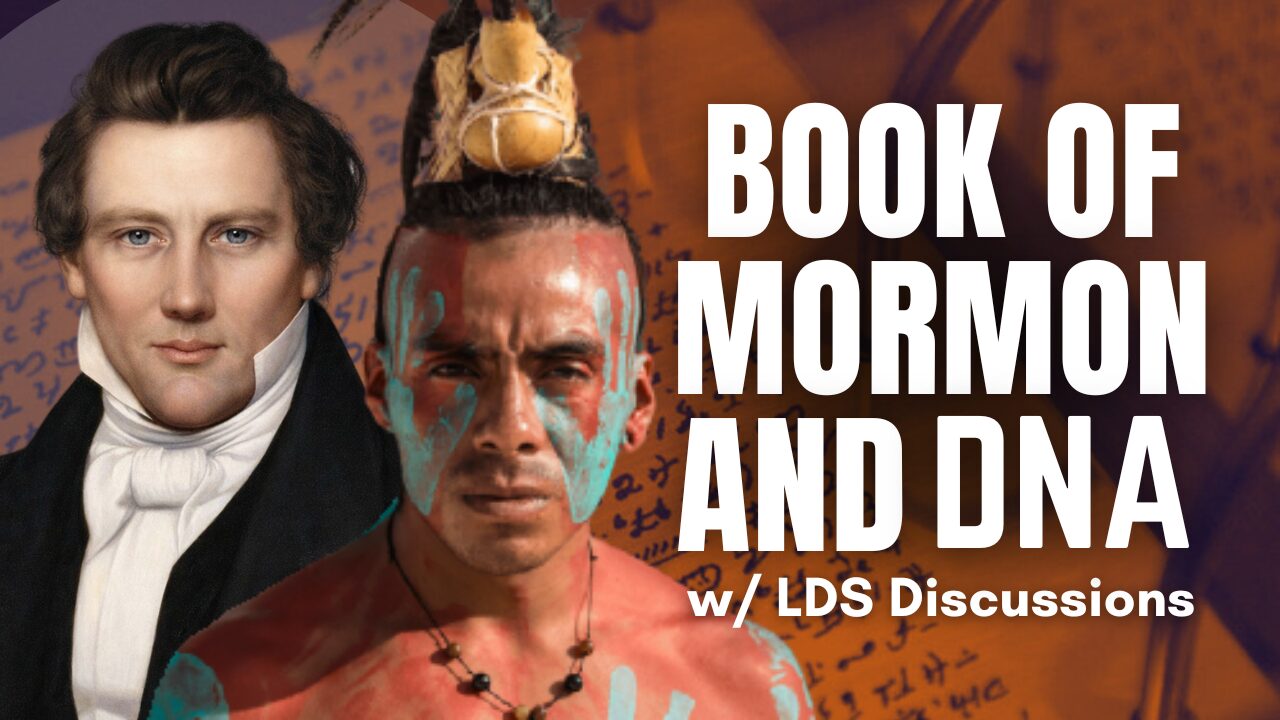 DNA and the Book of Mormon w/ LDS Discussions – 05 | Ep. 1594
Mormon Stories 1594, 2022 · 98k views · hear a moment at 1:11:40
-
 Top Mormon Historian Admits Issues Raised in CES Letter – Richard Bushman | Ep. 1934
Mormon Stories 1934, 2024 · 181k views · hear a moment at 2:39:35
-
 The Creation – Mormon Doctrine vs. Science w/ Dr. Simon Southerton #01 | Ep. 1542
Mormon Stories 1542, 2022 · 16k views · hear a moment at 1:12:52
-
 1344: Captain Kidd, Treasure Digging, Joseph Smith, and the Book of Mormon
Mormon Stories 1344, 2020 · 38k views
-
 Mormon Cosmology – Science vs. Mormonism – w/ Dr. Simon Southerton | Ep. 1606
Mormon Stories 1606, 2022 · 14k views · hear a moment at 9:46
Ranked by the Mormon Stories episode recommender: what the transcripts say, what the titles and categories say, how widely the videos are watched, and what editors have pinned. Rebuilt with the site. Video plays here when you press play; the episode page has the audio and transcript.
Go deeper
- LDS Discussions on the Book of Mormon — a plain-language walk through each issue with the Church's responses
- The Joseph Smith Papers — the primary documents