The reasons › Doctrine and belief
Doctrine and theology
The single most common major factor. Respondents stopped believing what the Church teaches about God, salvation, obedience, and its own exclusive authority.
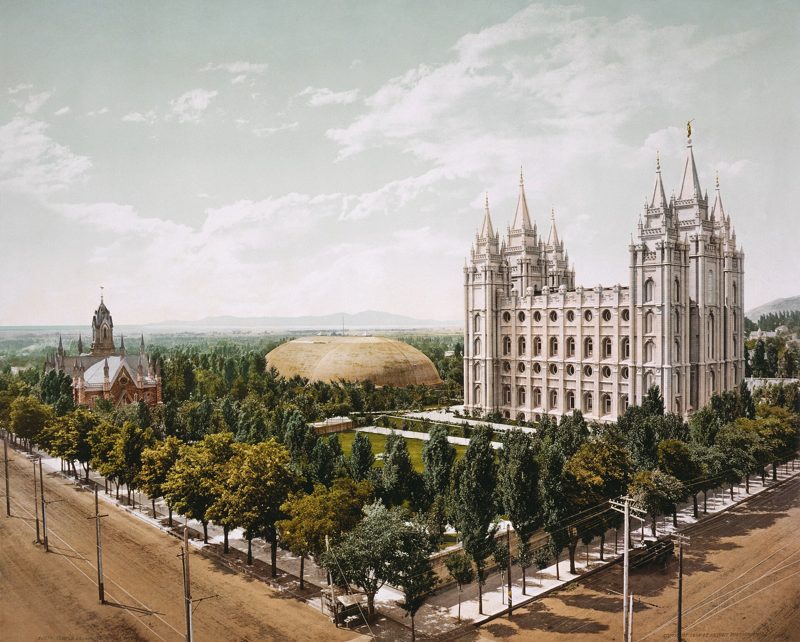
What members were taught
The gospel has been restored in its fullness and does not change. Prophets speak for God; when they speak, the thinking has been done. Doctrine is eternal; only policies and programs adjust. Families sealed in the temple will be together forever if they keep their covenants.
What the record shows
The single most common major factor. Respondents stopped believing what the Church teaches about God, salvation, obedience, and its own exclusive authority.
Three out of four respondents named this as a major factor, more than any other item on the survey. The authors acknowledged that "doctrine" is a broad word, and the written comments show it covering several distinct things.
For some it was a specific teaching they could no longer accept: that God would withhold priesthood by race, that a woman's eternal role was to be one of several wives, that a loving Father would separate families forever over a Word of Wisdom question. For others it was the architecture. A God who created billions of people and revealed the only path to exaltation to a few million of them, mostly in the American West, struck many as implausible on its face. "The god I believe in," one respondent wrote, "does not operate through just one approved church that reaches only a minuscule percentage of humanity."
For still others it was the instability. Members are taught that doctrine is eternal and that policy changes; but polygamy, the ban, and Adam-God were all taught as doctrine by prophets and are now described as something less. Respondents who tried to pin down what the Church actually teaches found that the answer was whatever the current leadership said, and that the previous leadership's teachings could be discarded without anyone admitting they had been wrong.
Doctrinal disbelief was also the strongest predictor, among all the reasons, that a person would leave rather than stay. Members who lost faith over history sometimes kept attending. Members who stopped believing the teachings were about a quarter more likely to be gone.
In their words
“No, I left because the church claims aren't true. And I chose to drink beer as soon as I put two and two together and realized that all the claims of prophecy and leadership and all those other things were just more signs along the way: this is another manifestation that this isn't God's church, that it isn't being led by inspiration.”
“If God asked you to kill me, would you do it? Who do you love more, me or God? If I left the church, would you still love me? If God said you had to give up one of your eight children, who would you give up? If I was gay, would you still love me? If the prophet told you to kill me, would you do it? If I don't feel the spirit, is there something wrong with me?”
Quotes are taken from machine-made transcripts of Mormon Stories interviews and may contain small transcription errors. Each links to the moment in the recording so you can hear it for yourself.
What people actually name
From the crowd-sourced 2014 comprehensive list, lightly edited.
- No clear standard for what is actually doctrine; teachings called eternal in one decade are called opinion in the next.
- Doctrines that changed and were then said never to have been doctrine at all (polygamy, the priesthood ban, Adam-God, blood atonement).
- A plan of salvation in which the exclusive path to exaltation has reached a tiny fraction of humanity.
- Teaching that all other churches are an abomination and their creeds corrupt, while describing the Church as ecumenical.
- {'The eternal family doctrine experienced as a threat': 'families divided in this life by fear of separation in the next.'}
- Scripture and prophets depicting God as commanding genocide, threatening Emma Smith, and cursing people by skin color.
- Proxy ordinances for all the dead, understood as an enormous expenditure of time and money on a premise respondents no longer believed.
- Obedience to leaders equated with obedience to God, with personal revelation valid only when it agrees.
What the Church has said
More episodes on this, ranked
Mormon Stories interviews where this comes up most, beyond the ones chosen above.
-
 1159-1165: Anthony Miller – On Thoughtful and Graceful Reconstruction After Mormon Orthodoxy
Mormon Stories 1159, 2019 · 8.4k views
-
 317-318: BYU Professor Charles Harrell and the Evolution of Mormon Doctrine
Mormon Stories 317–318, 2012
-
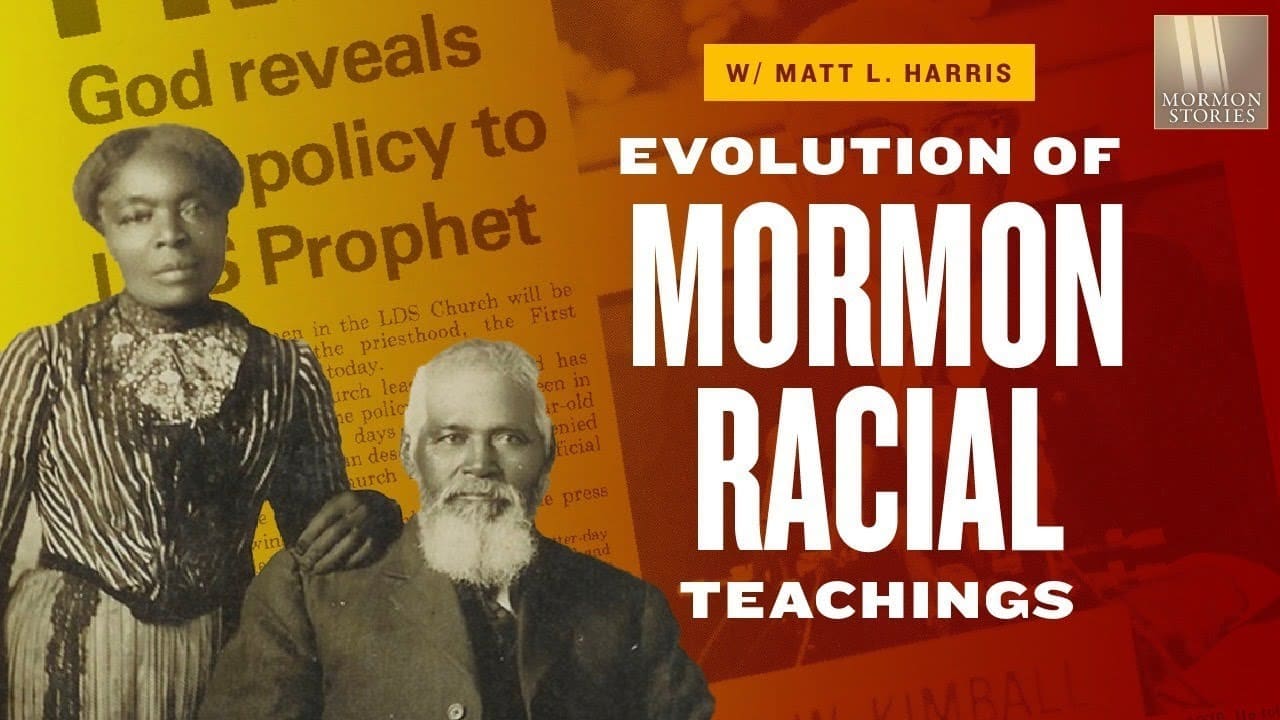 Whiteness Theology and the Evolution of Mormon Racial Teachings – Matt Harris | Ep. 1366
Mormon Stories 1366, 2020 · 36k views · hear a moment at 29:59
-
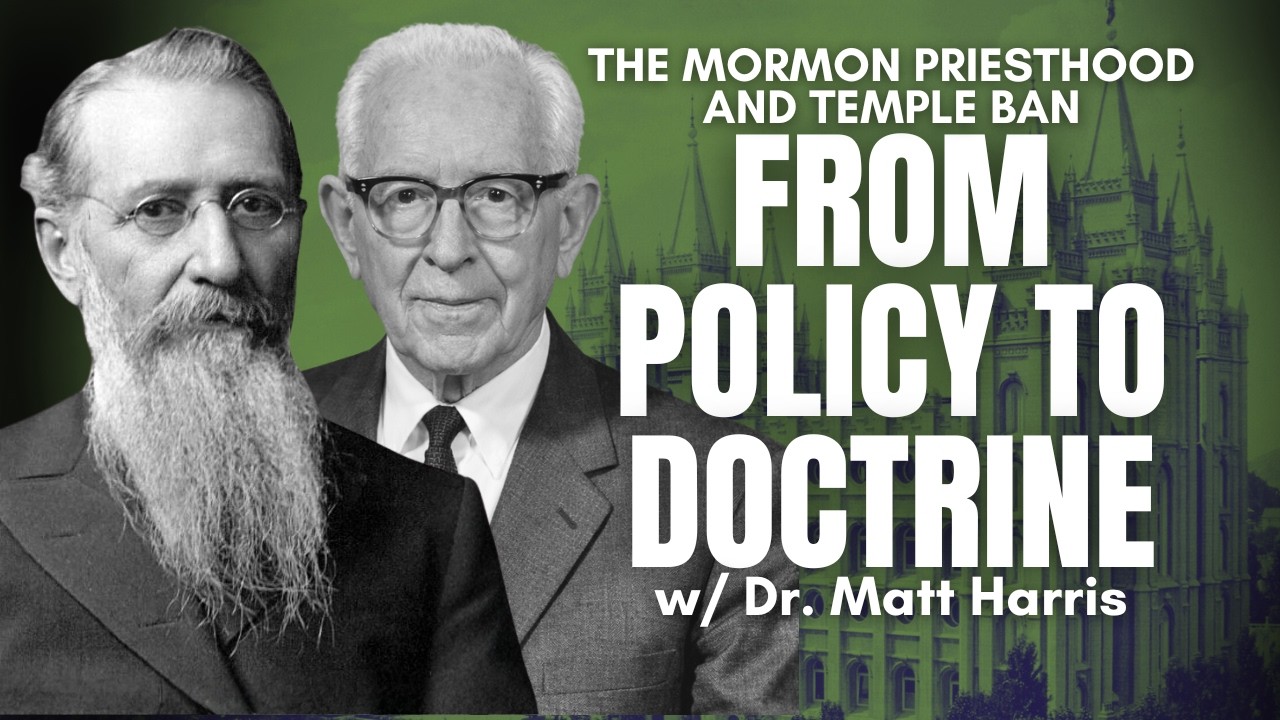 Mormon Priesthood and Temple Ban: From Policy to “Doctrine” | Second-Class Saints Ep. 2 w/ Dr. Matt Harris | Ep. 1910
Mormon Stories 1910, 2024 · 37k views · hear a moment at 43:45
-
 1483: Joseph Smith’s Revelation and Mission to the “Lamanites” – John Larsen
Mormon Stories 1483, 2021 · 42k views · hear a moment at 26:47
-
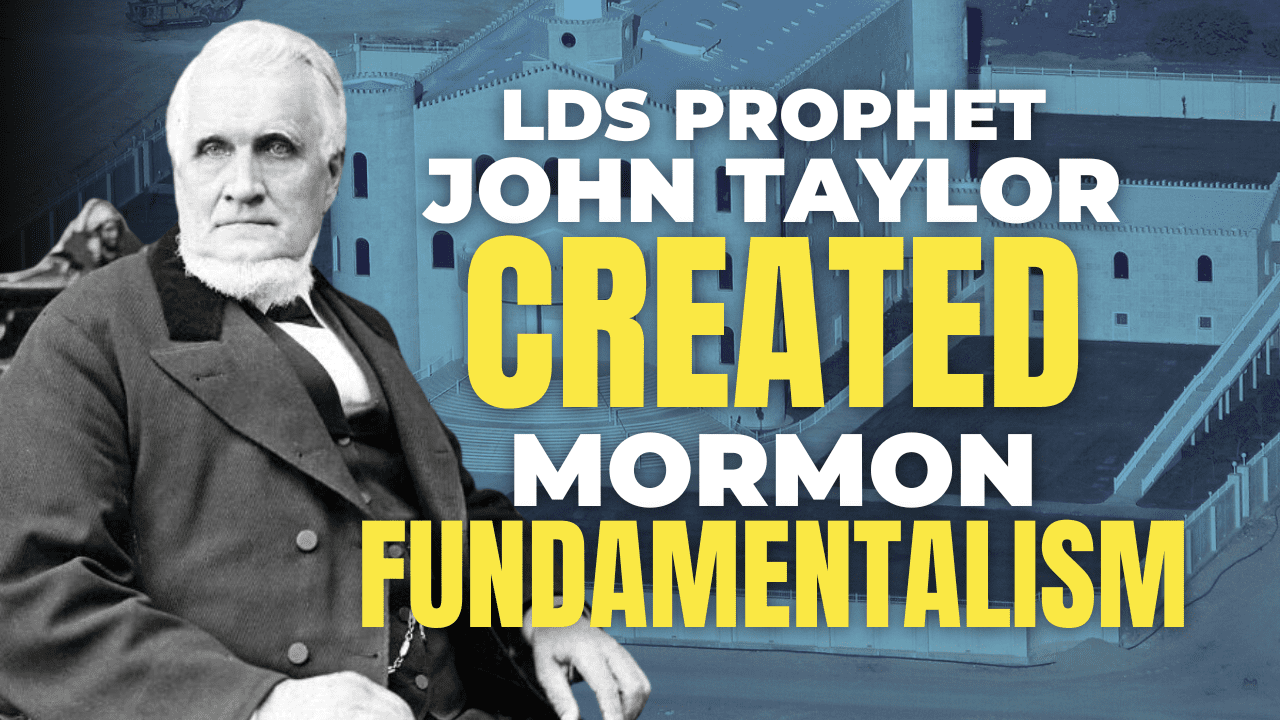 LDS Prophet John Taylor’s 1886 Revelation Created Mormon Fundamentalism! | Ep. 2032
Mormon Stories 2032, 2025 · 48k views · hear a moment at 2:51:33
Ranked by the Mormon Stories episode recommender: what the transcripts say, what the titles and categories say, how widely the videos are watched, and what editors have pinned. Rebuilt with the site. Video plays here when you press play; the episode page has the audio and transcript.