The reasons › How people are treated
The leaders
Half of respondents lost confidence in the general authorities. They expected prophets, seers, and revelators; they described finding administrators who had been wrong about important things and never said so.
What members were taught
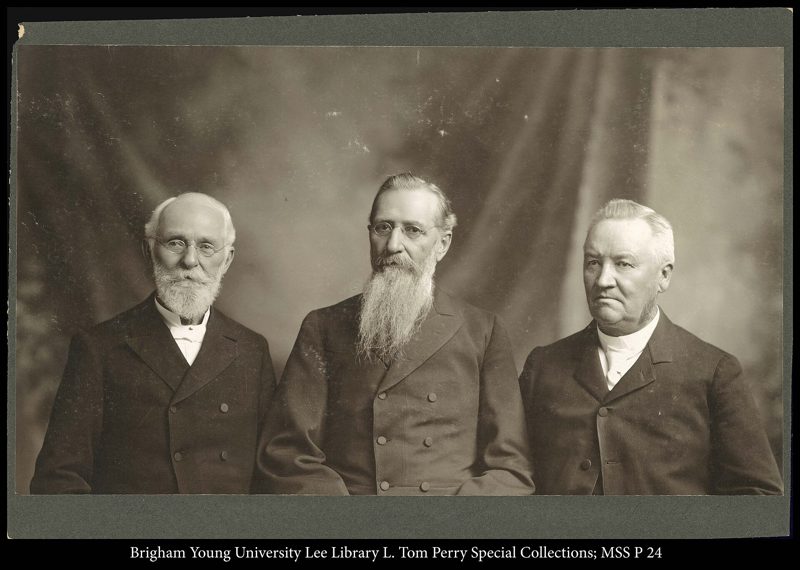
Prophets, seers, and revelators receive direct revelation for the Church. The Lord will never permit the prophet to lead the Church astray. Criticizing leaders, even if the criticism is true, is wrong. Follow the Brethren and you will be safe.
What the record shows
Half of respondents lost confidence in the general authorities. They expected prophets, seers, and revelators; they described finding administrators who had been wrong about important things and never said so.
Half of respondents named loss of confidence in the general authorities as a major factor, and in the trend analysis that number was steady across generations. Local leaders mattered less: about one in four. The distinction is important, because believing members often assume that people who leave were hurt by a bishop. Far more often, respondents described being let down by the men at the top.
The disappointment is proportional to the claim. Latter-day Saints sustain fifteen men as prophets, seers, and revelators who speak with God. Respondents who took that seriously then confronted a record in which those men taught racial exclusion as God's will, condemned science, concealed history, and reversed course on each of these without ever saying the earlier position was wrong. "Struggling to trust apostles and prophets now," one item on the 2014 list reads, "when so many have been so wrong in the past about so many important things."
Several respondents had been close enough to the leadership to see it operate. What they describe is a well-run corporation led by capable lawyers and businessmen, not a body of seers. "Speaking directly and candidly with top-level church leaders," the list records, "and discovering that they did not have good answers to any of the tough questions." The Church's response to members with questions has more often been discipline than dialogue, which for many respondents settled the question of whether the questions had answers.
In their words
“I'm going to admit, as a bishop and as a leader, in all my callings, as a missionary, I was always taught the same thing: that people leave either because they were offended or because they couldn't hack it. So I hate that I used to think that about people, and I apologize for that. But I don't blame people for thinking that, because that's the standard narrative in the church: that there's no legitimate reason to step away.”
“I'm a currently serving bishop.”
“I almost died on that mission. Gave up two years. And I felt betrayed... And not only that, you do it willingly, and you do it over and over and over again. And that's the part that killed me, that they kept doing it. I learned that people tried. People tried to make changes. Like, hey, you got this wrong. Can you fix it? Nah, we ain't fixing it.”
Quotes are taken from machine-made transcripts of Mormon Stories interviews and may contain small transcription errors. Each links to the moment in the recording so you can hear it for yourself.
What people actually name
From the crowd-sourced 2014 comprehensive list, lightly edited.
- Leaders who taught the priesthood ban, opposed civil rights, condemned evolution, and preached blood atonement and Adam-God, none of it repudiated by name.
- Watching a prophet decline into incapacity while the Church maintained he was leading it.
- The 1985 Mark Hofmann affair, in which the Church quietly bought documents it believed damaging.
- Paul H. Dunn's fabricated war and baseball stories, and the Church's handling of their exposure.
- Gordon B. Hinckley telling national television "I don't know that we teach it" about humans becoming gods, and "it's not doctrinal" about polygamy.
- {'Excommunicating historians, feminists, and scientists rather than answering them': 'the September Six in 1993, and many since.'}
- Change that arrives after public pressure and is then announced as revelation.
- Bishops and stake presidents, untrained as counselors, giving damaging advice on marriage, mental health, abuse, and sexuality.
- Older men interviewing children and teenagers alone about sexual matters.
Hear it first-hand
 Gregory Prince on David O. McKay and the priesthood ban Mormon Stories 4, 2005
One of the first Mormon Stories episodes. McKay's biographer on a prophet who wanted to lift the ban and did not.
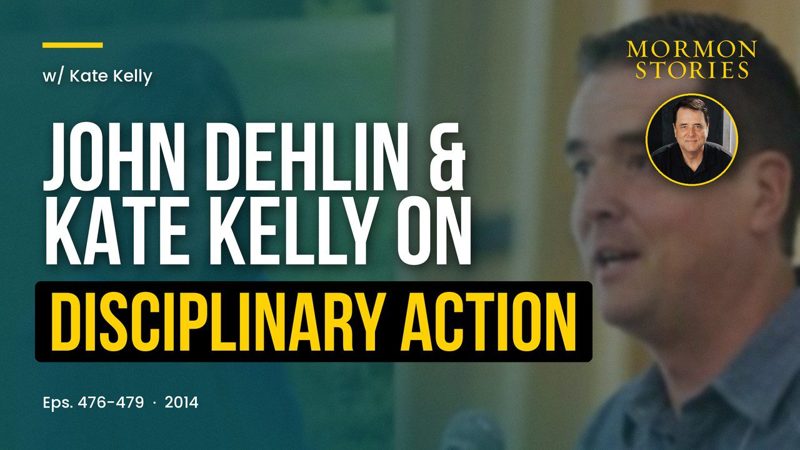 John Dehlin and Kate Kelly discuss possible disciplinary action Mormon Stories 477, 2014
Recorded days before the founder of Ordain Women was excommunicated for asking that women be ordained.
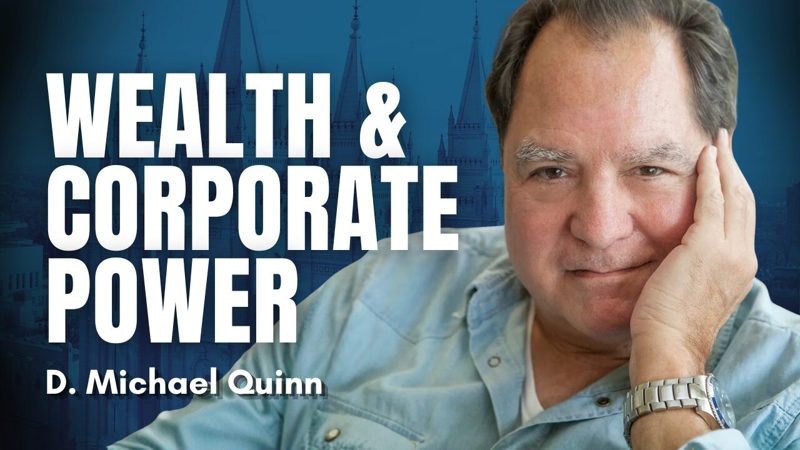 D. Michael Quinn on wealth and corporate power Mormon Stories 814, 2017
The historian's last book, on how the Church's finances work and how they came to be secret.
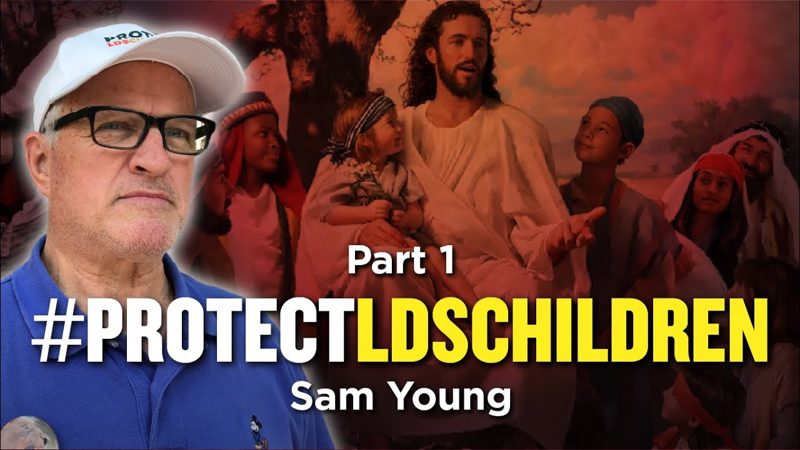 Sam Young's hunger strike to protect LDS children Mormon Stories 962, 2018
A former bishop's campaign against one-on-one sexual worthiness interviews of children, and his excommunication.
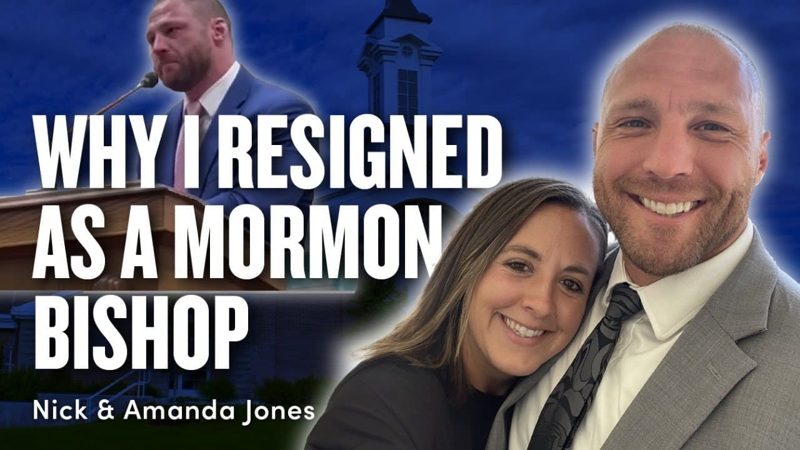 Why I resigned as a Mormon bishop, Nick and Amanda Jones Mormon Stories 1861, 2024
A sitting bishop's shelf breaks. What he learned, whom he told, and what it cost.
 Mark Naugle, QuitMormon.com Mormon Stories 1414, 2021
The lawyer who has processed hundreds of thousands of formal resignations, on why people take that step.
More episodes on this, ranked
Mormon Stories interviews where this comes up most, beyond the ones chosen above.
-
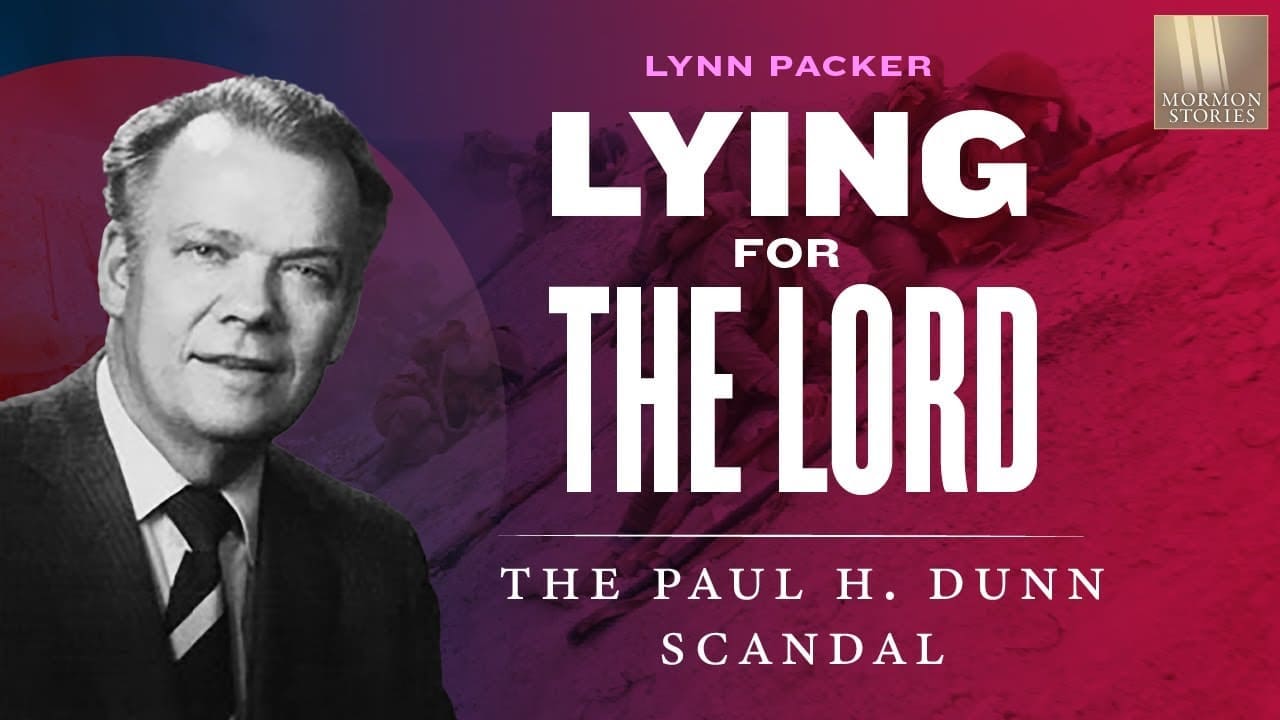 Lying for the Lord: The Paul H. Dunn Scandal Ep. 1363
Mormon Stories 1363, 2020 · 141k views · hear a moment at 59:14
-
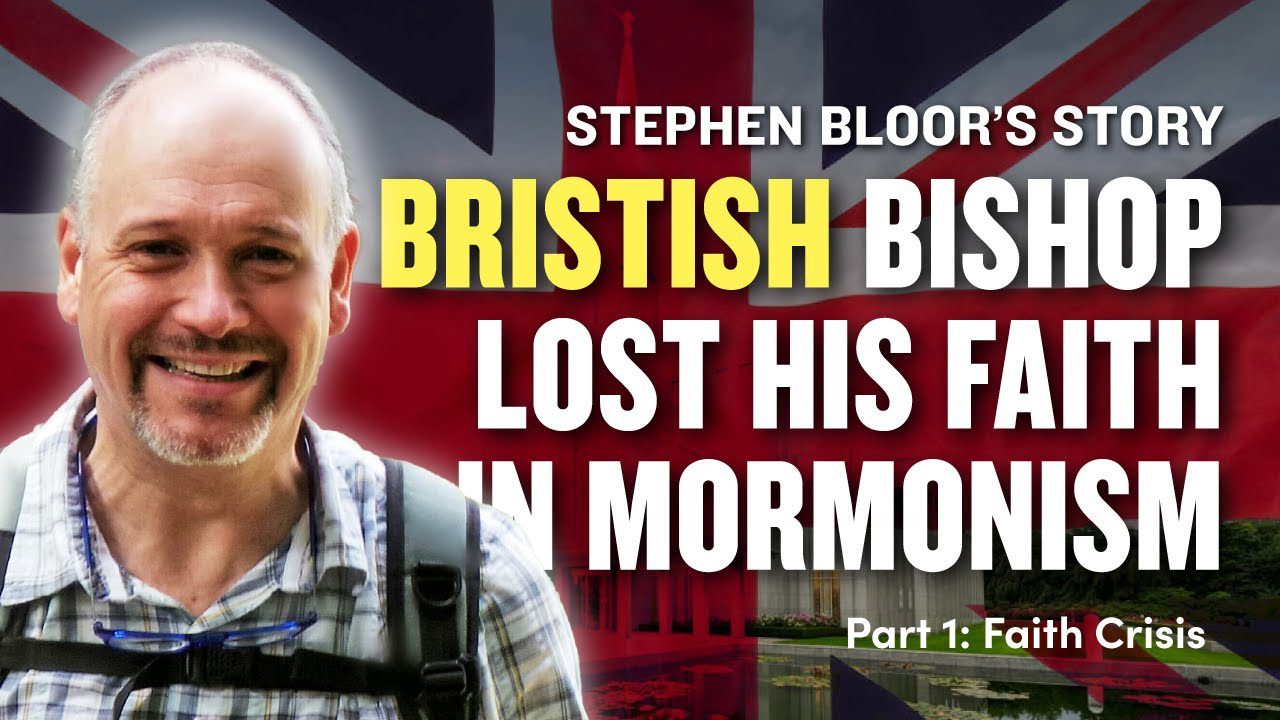 667-668: Stephen Bloor – The British Bishop who Lost his Faith, was Excommunicated without a Disciplinary Council
Mormon Stories 667–668, 2016 · 14k views
-
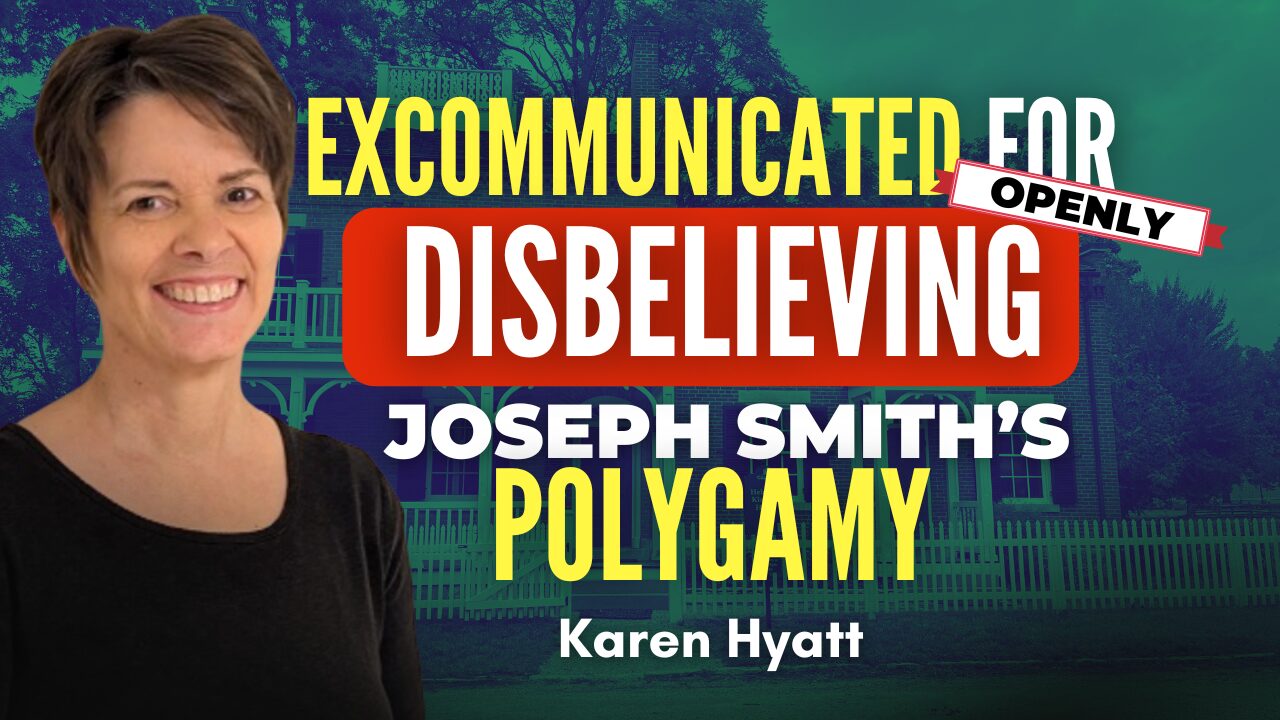 Excommunicated for Disbelieving in Joseph Smith’s Polygamy – Karen Hyatt | Ep. 2096
Mormon Stories 2096, 2025 · 46k views · hear a moment at 24:11
-
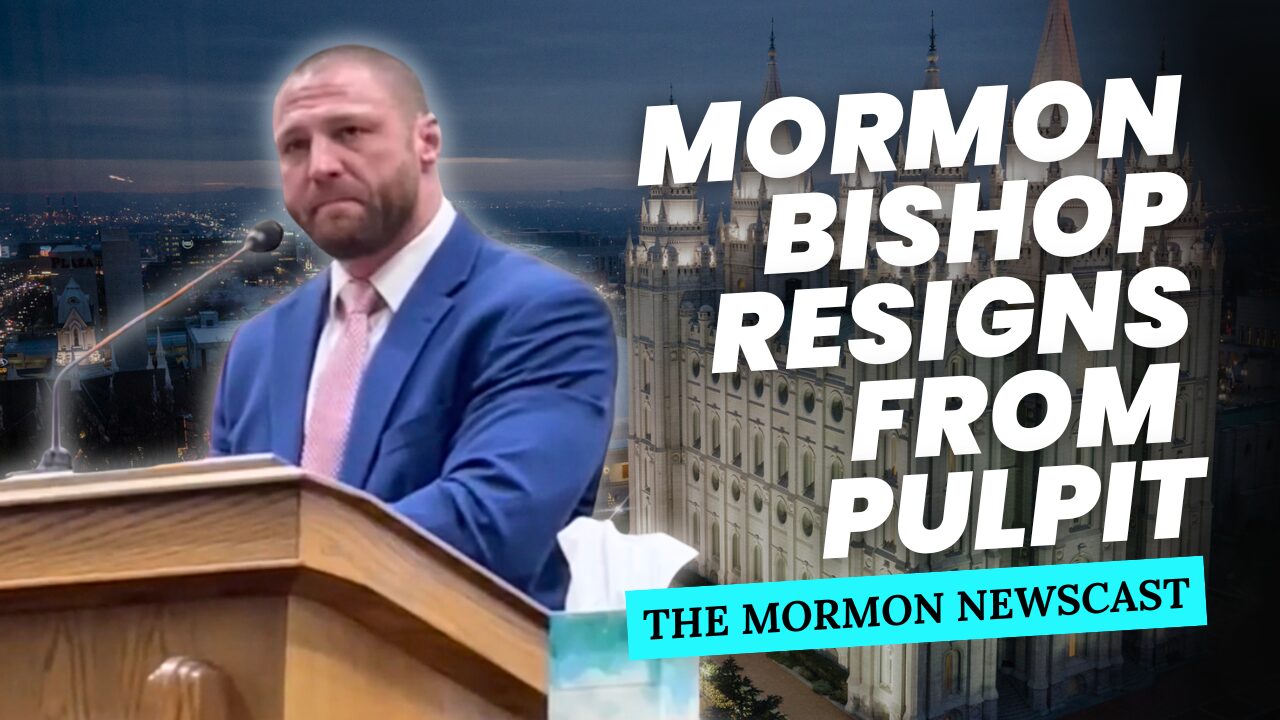 Mormon Bishop Resigns From The Pulpit | Ep. 1849
Mormon Stories 1849, 2024 · 97k views · hear a moment at 5:51
-
 Mormon Apostle Dallin H. Oaks RESPONDS to Member’s Opposing Vote! | Ep. 1700
Mormon Stories 1700, 2022 · 87k views · hear a moment at 52:55
-
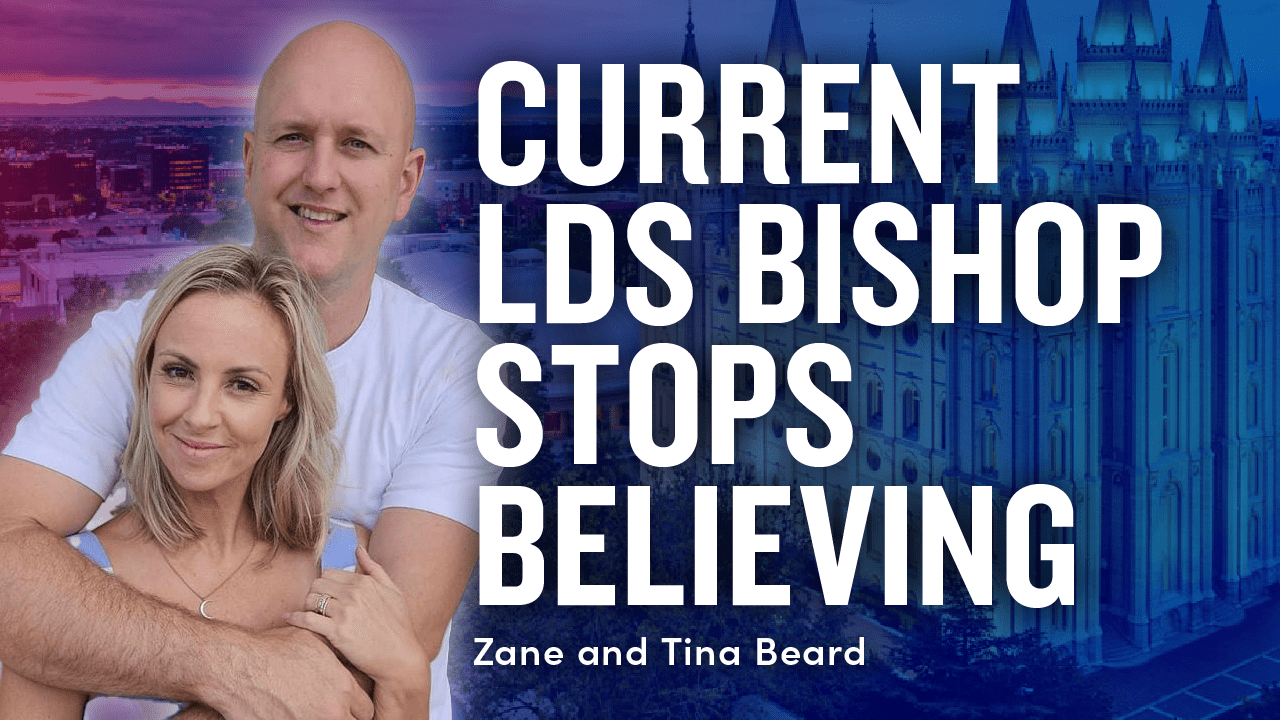 Currently-Serving Mormon Bishop Loses Faith in Mormonism: Zane and Tina Beard | Ep. 1790
Mormon Stories 1790, 2023 · 147k views · hear a moment at 3:20:39
Ranked by the Mormon Stories episode recommender: what the transcripts say, what the titles and categories say, how widely the videos are watched, and what editors have pinned. Rebuilt with the site. Video plays here when you press play; the episode page has the audio and transcript.
Go deeper
- Why I resigned as a Mormon bishop: Nick and Amanda Jones (Mormon Stories 1861)
- Sam Young's hunger strike to protect LDS children (Mormon Stories 962 to 963) — on one-on-one worthiness interviews; Young was excommunicated in 2018