The reasons › How people are treated
Abuse and how it was handled
Few respondents named their own abuse as a reason. Far more named the Church's handling of it: a help line that routes to lawyers, bishops who protect abusers, and one-on-one interviews of children about sex.
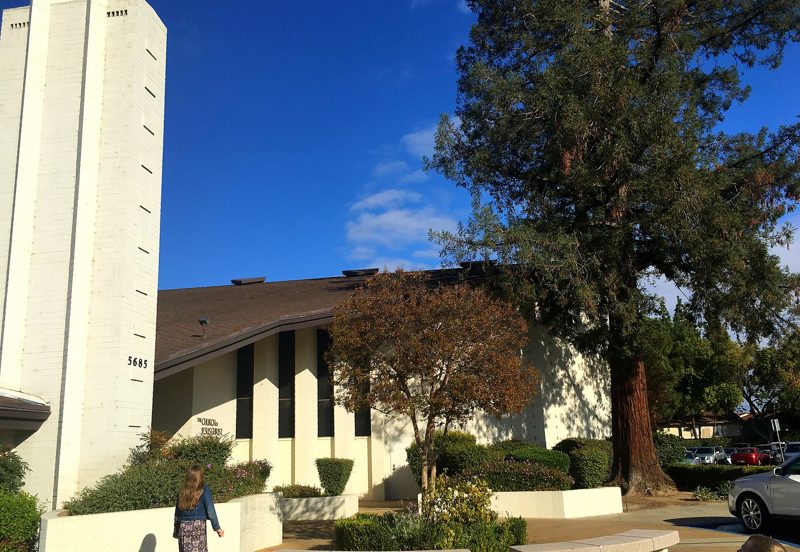
What members were taught
The Church protects children. Bishops are inspired in their calling and can be trusted with anything, including interviews with youth about morality. Any problem is handled with love, and the Church's help line exists to make sure victims are protected.
What the record shows
Few respondents named their own abuse as a reason. Far more named the Church's handling of it: a help line that routes to lawyers, bishops who protect abusers, and one-on-one interviews of children about sex.
In 2011, abuse was near the bottom of the list. Seven percent of respondents said that their own or a loved one's abuse by someone in the Church was a major factor, and the trend line was flat or falling. The authors listed it alongside offense and desire to sin as the reasons believing members overestimate.
That is worth keeping in view, because the picture has changed since. What rose after 2011 was not abuse itself but the institution's handling of it. In 2018, a former bishop named Sam Young gathered thousands of accounts of children being asked sexual questions in worthiness interviews, marched on Church headquarters, went on a hunger strike, and was excommunicated. In 2022, the Associated Press reported on an Arizona case in which a bishop who learned of a father's ongoing abuse of his daughter called the Church's help line, was told he was not required to report it, and did not; the abuse continued for years. The Church defended the help line as a tool that protects children.
The 2014 list already contains the items that later reporting confirmed: protection of abusers at the expense of the abused, untrained bishops as counselors, and the interviews. Women rated abuse significantly higher than men did. For members who had assumed that a church led by revelation would at least be safe for children, each of these stories landed on a shelf that was already carrying a great deal.
What people actually name
From the crowd-sourced 2014 comprehensive list, lightly edited.
- Bishops with no training handling disclosures of sexual abuse, often counseling forgiveness and silence.
- The Church's abuse help line, which connects bishops to Church lawyers, and the reports in 2022 that it was used to keep abuse from being reported to police.
- Callings extended to known abusers; abusers protected at the expense of victims.
- Worthiness interviews in which adult men question children alone about masturbation and sexual behavior.
- Victims blamed for what was done to them, in the name of modesty and chastity.
- Legal settlements and confidentiality agreements rather than disclosure.
What the Church has said
- Gospel Topics: Abuse
- Newsroom: Effectiveness of Church Approach to Preventing Child Abuse — the Church's response to the 2022 reporting on its help line
Hear it first-hand
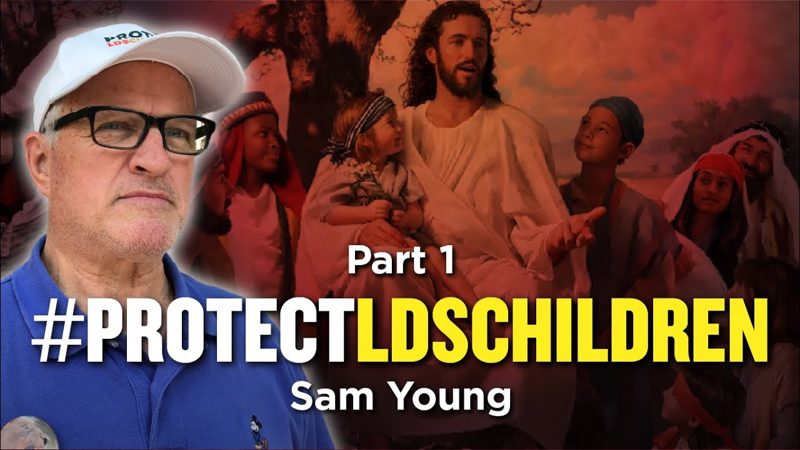 Sam Young's hunger strike to protect LDS children Mormon Stories 962, 2018
A former bishop's campaign against one-on-one sexual worthiness interviews of children, and his excommunication.
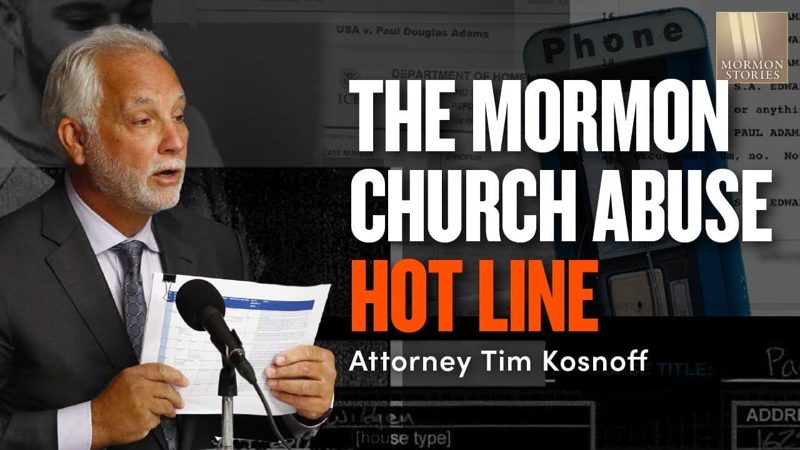 The Mormon Church abuse hotline, with attorney Tim Kosnoff Mormon Stories 1639, 2022
How the Church's help line for bishops works, from a lawyer who has sued over it.
More episodes on this, ranked
Mormon Stories interviews where this comes up most, beyond the ones chosen above.
-
 Mormon Church Discouraging Sex Abuse Victims from Reporting – Survivor Stories | Ep. 1644
Mormon Stories 1644, 2022 · 31k views · hear a moment at 2:28:40
-
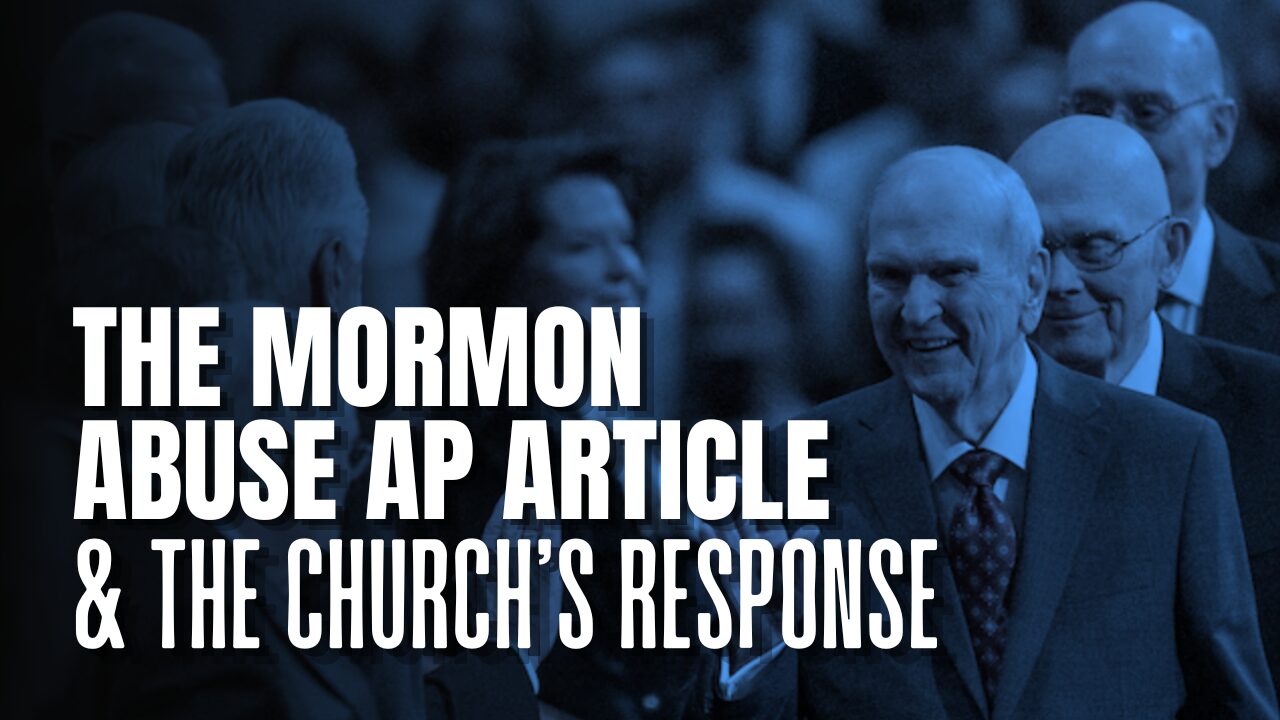 The Mormon Abuse AP Article and The Church’s Response | Ep. 1638
Mormon Stories 1638, 2022 · 36k views · hear a moment at 1:12:02
-
 How the Mormon Church Handles Abuse: A History | Ep. 1637
Mormon Stories 1637, 2022 · 31k views · hear a moment at 22:44
-
 294: Childhood Sexual Abuse with Dr. Barbara Morrell
Mormon Stories 294, 2011
-
 The LDS Church’s Coverup of Sterling Van Wagenen’s Sexual Abuse of Sean Escobar and Several Others | Ep. 1110-1111
Mormon Stories 1110–1111, 2019 · 32k views
-
 When the Church Protects Abusers – Jared and Juli Egley – Alleged Abuser is Current Bishop | Ep. 991-993
Mormon Stories 991, 2018 · 13k views
Ranked by the Mormon Stories episode recommender: what the transcripts say, what the titles and categories say, how widely the videos are watched, and what editors have pinned. Rebuilt with the site. Video plays here when you press play; the episode page has the audio and transcript.