The reasons › How people are treated
Money
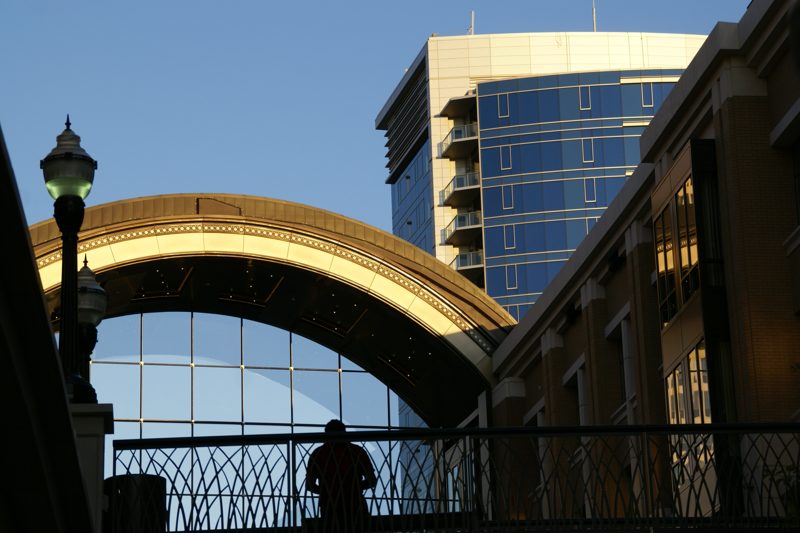
A billion-dollar mall, a hundred-billion-dollar fund hidden from members and regulators, and no published accounts. Tithing is a condition of temple worthiness; where it goes was a theme of the written comments long before the numbers were known.
What members were taught
Tithing is the Lord's law of finance. The Church uses it for chapels, temples, missions, and the poor, and its finances are handled by revelation and audited each year. Paying it brings blessings; withholding it closes the temple to you.
What the record shows
A billion-dollar mall, a hundred-billion-dollar fund hidden from members and regulators, and no published accounts. Tithing is a condition of temple worthiness; where it goes was a theme of the written comments long before the numbers were known.
The 2011 survey did not ask about money directly, which is itself a sign of how the issue has grown. It surfaced anyway, as one of the most common themes in the written comments, and almost always with the same example. "The fact that the church is funding a billion-dollar mall in SLC, while millions of Saints don't have clean water to drink, was/is sickening to me." "Why aren't the financial records of the church public?"
Since then the questions have been answered, mostly by outsiders. In December 2019 a former employee of the Church's investment arm, Ensign Peak Advisors, filed a complaint with the IRS stating that the fund held about $100 billion, had grown for decades on tithing surplus, and had made no charitable distributions. In February 2023 the Securities and Exchange Commission fined the Church and Ensign Peak $5 million for having concealed the size of the portfolio through shell companies with borrowed signatures; the Church acknowledged the settlement and said it regretted the mistakes. Lawsuits by members seeking the return of tithing followed.
What makes this a reason for leaving rather than a grievance is the way tithing is enforced. A member who does not pay ten percent of income cannot enter the temple, and until 2020 could not attend a child's wedding. Respondents who learned that the institution collecting under that condition was sitting on a fortune it had hidden from them described the discovery in the same terms they used for the history: not that the Church was wealthy, but that they had been lied to.
In their words
“If it's not true, then I'm not going to base my life off of something that's not true. That's what I had to boil it down to... It's a lot of money to be saying goodbye to every month. And I remember the last time I paid tithing. Click submit on LDS.org and see the little picture of a hand handing a slip to another hand.”
“Every time I see something about the Church's stock portfolio, even putting those words together just drives me mad. If they're losing billions of dollars and it's really just not even a problem for them, why did I not buy some shoes for my kindergartner when I needed to?”
Quotes are taken from machine-made transcripts of Mormon Stories interviews and may contain small transcription errors. Each links to the moment in the recording so you can hear it for yourself.
What people actually name
From the crowd-sourced 2014 comprehensive list, lightly edited.
- The Church has not published financial statements since 1959.
- City Creek Center, the shopping mall opened in Salt Lake City in 2012 at a reported cost of about $1.5 billion, cited by many respondents as the moment they began asking questions.
- Ensign Peak Advisors, the investment arm whose roughly $100 billion holdings were disclosed by a whistleblower in 2019, and the 2023 SEC order finding the Church had concealed the portfolio behind shell companies for two decades.
- Full tithing required of the poor as a condition of temple attendance and, until 2020, of children's and grandchildren's temple weddings.
- Humanitarian spending that is small relative to income and reported without audited detail.
- Church political spending, including on Proposition 8, that was disclosed only under pressure.
What the Church has said
Hear it first-hand
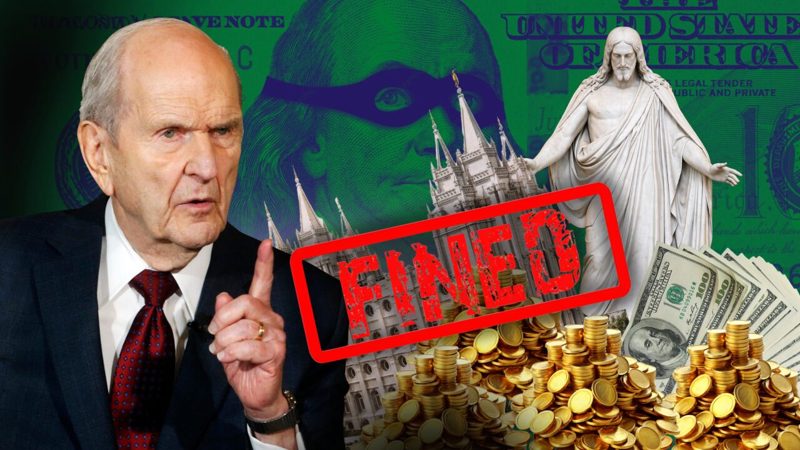 LDS Church fined $5 million for hiding money, with Mark Pugsley Mormon Stories 1732, 2023
A securities lawyer explains the SEC's order against the Church and Ensign Peak Advisors.
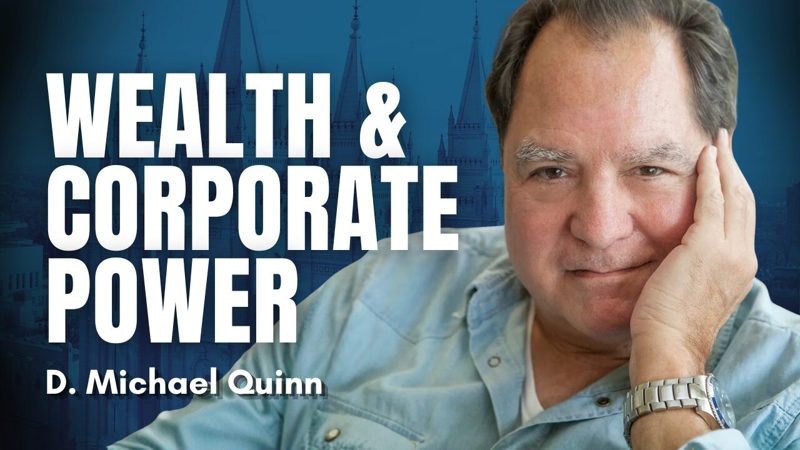 D. Michael Quinn on wealth and corporate power Mormon Stories 814, 2017
The historian's last book, on how the Church's finances work and how they came to be secret.
More episodes on this, ranked
Mormon Stories interviews where this comes up most, beyond the ones chosen above.
-
 Mormon Church Finances Revealed – The Widow’s Mite Project w/ Radio Free Mormon | Ep. 1736
Mormon Stories 1736, 2023 · 63k views · hear a moment at 1:23:48
-
 I Sued the Mormon Church to Get My Tithing Back – James Huntsman | Ep. 1997
Mormon Stories 1997, 2025 · 74k views · hear a moment at 1:01:00
-
 LDS Donations Misuse on 60 Minutes w/ Mark Pugsley | Ep. 1765
Mormon Stories 1765, 2023 · 88k views · hear a moment at 1:27:28
-
 Mormon Church Guilty of Securities Fraud – LDS Discussions Pt. 80 | Ep. 2177
Mormon Stories 2177, 2026 · 28k views · hear a moment at 4:33
-
 Mormon Tithing Class-Action Lawsuit Explained! – Plaintiffs Allege Tithing Fraud | Ep. 1920
Mormon Stories 1920, 2024 · 107k views · hear a moment at 1:01:39
-
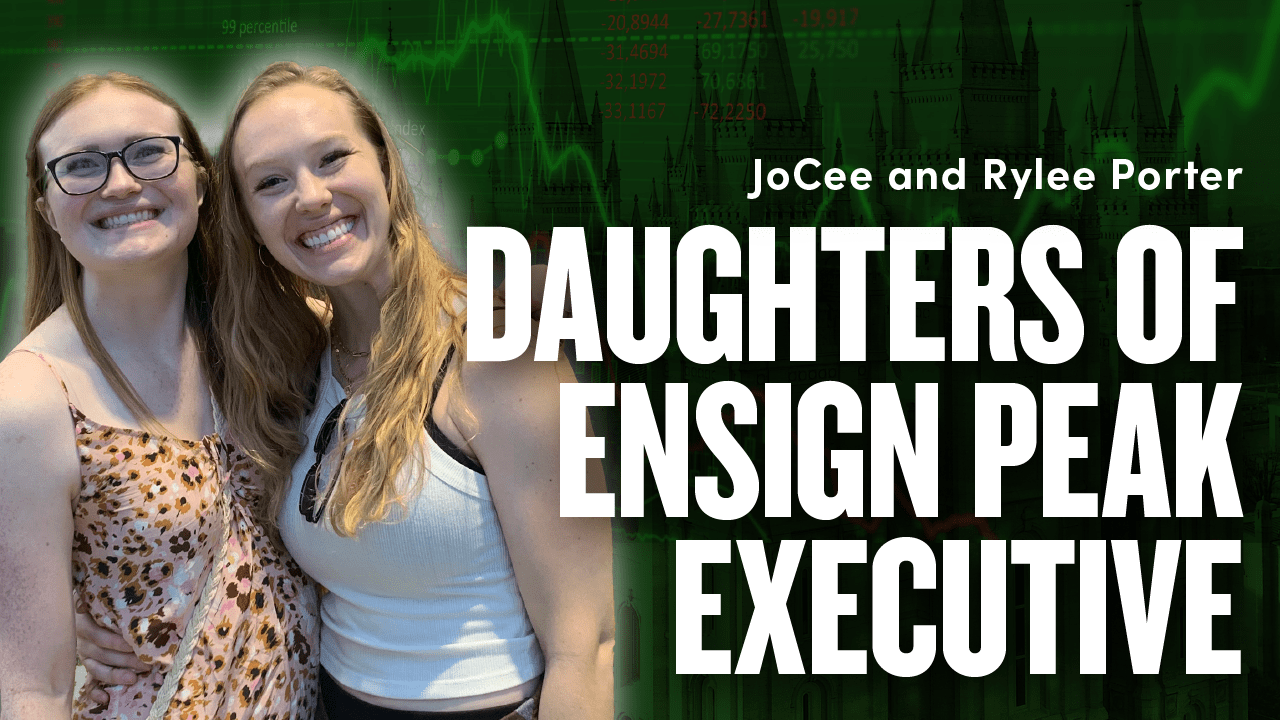 Daughters of Ensign Peak Advisor Speak Out – Rylee & JoCee Porter | Ep. 1774-1776
Mormon Stories 1774, 2023 · 116k views · hear a moment at 1:15:38
Ranked by the Mormon Stories episode recommender: what the transcripts say, what the titles and categories say, how widely the videos are watched, and what editors have pinned. Rebuilt with the site. Video plays here when you press play; the episode page has the audio and transcript.