The reasons › How the history was told
Studying the history
The most common thread in the survey's written comments was not any single event. It was discovering that the history taught in church had been sanitized, and learning the rest alone.
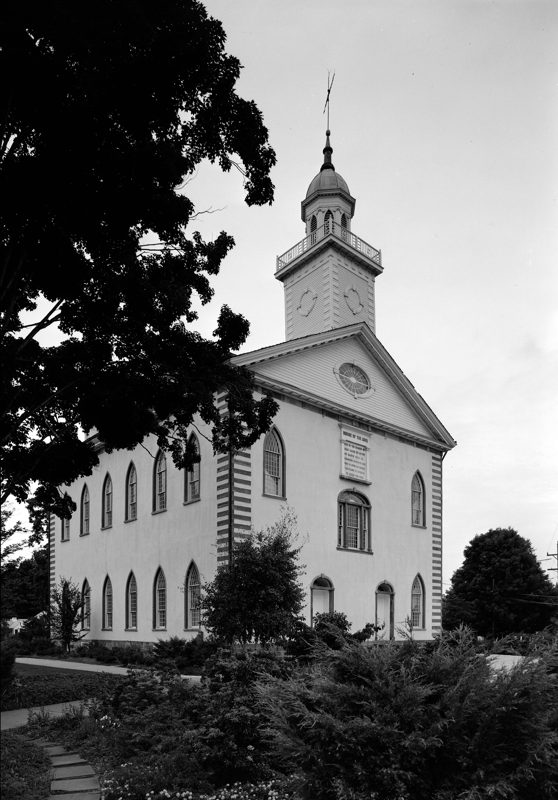
What members were taught
The Church's history is one of persecution bravely borne. What you learn in seminary, institute, and Sunday School is the true and complete account. Books that say otherwise are anti-Mormon literature, written by enemies of the Church, and reading them invites the adversary.
What the record shows
The most common thread in the survey's written comments was not any single event. It was discovering that the history taught in church had been sanitized, and learning the rest alone.
When respondents were asked, in their own words, why they lost belief, one theme appeared more than any other. It was not polygamy or the Book of Abraham as such. It was the gap between the history they had been taught and the history they found, and the conclusion that the gap was deliberate.
"The problem was not so much the history of the Church," one respondent wrote, "which is readily accessible in many good general history books. Rather, it is the discrepancy between what I was learning about Joseph Smith and Church history, and the sanitized version that I had been taught by LDS leaders my whole life. If LDS leaders had taught the truth about Joseph Smith from the very beginning, then I never would have left."
That sentiment is why "I studied church history" tied for the second most common major factor in the survey, and why the trend analysis found general historical study to be the third fastest-rising reason. It was also the issue on which Church leaders were most candid at the time. In late 2011, Elder Marlin Jensen, then Church Historian, was asked at Utah State University about members leaving over historical issues and acknowledged the problem publicly. Two years later the Church began publishing the Gospel Topics essays, which confirm most of the facts respondents had been punished for repeating. The essays did not stop the departures. For many members, they confirmed that the history was true and raised the question of why they had learned it from a website rather than from a manual.
The Church's own 2018 history, Saints, now includes the seer stone, the multiple First Vision accounts, and Joseph Smith's plural marriages. A member baptized after 2018 will learn a very different history from one baptized in 1990. The people in this survey were the ones in between.
In their words
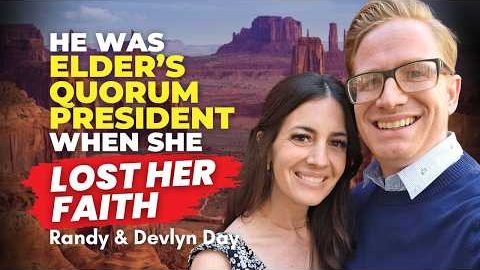
“Polygamy was always on my shelf. I did not know Joseph Smith practiced polygamy. And so that was, like, earth-shattering for me... right around that time I found the Gospel Topics essays, and I was following footnotes and reading and finding stuff... I'd been a member my whole life at this point, like 27, 28 years. I'd gone to seminary, I'd gone to institute, I'd read my scriptures, I watched every conference. I'd done all the things. And there was this information that I'd never come across, and it was shocking to me, and I felt lied to.”
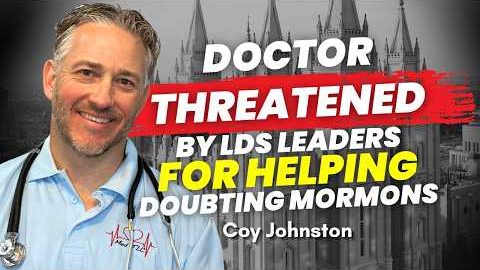
“I finally decided I was going to tell my wife about it and the journey, because she didn't know yet. I remember sitting down with her and just saying, I need to talk to you about this. And I'm not good at these type of things. I mean, who's prepared for this type of thing? And I just vomited all the information. Too much information. Joseph Smith, Brigham Young, Blacks in the priesthood, polygamy, everything. Book of Abraham...”
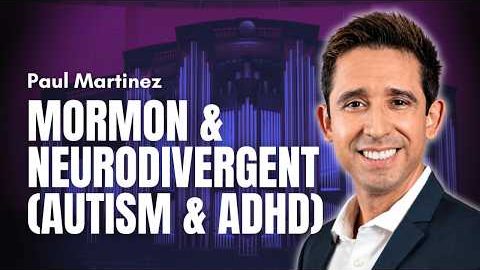
“I almost died on that mission. Gave up two years. And I felt betrayed... And not only that, you do it willingly, and you do it over and over and over again. And that's the part that killed me, that they kept doing it. I learned that people tried. People tried to make changes. Like, hey, you got this wrong. Can you fix it? Nah, we ain't fixing it.”
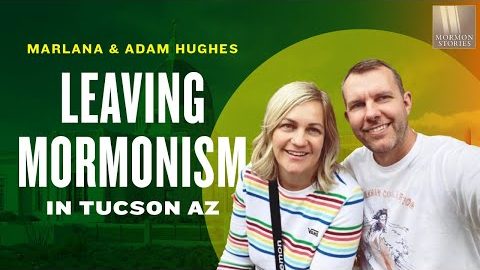
“We were all in. We loved the church. It was our entire life, our entire worldview. But through a series of events we had begun to study, and a deeper study and investigation of the church forced us to find that the church didn't live up to its own standards of integrity in how they've approached their own history, and that they've whitewashed it. And due to that we were going to have to step back, due to our own sense of personal integrity and honesty.”
Quotes are taken from machine-made transcripts of Mormon Stories interviews and may contain small transcription errors. Each links to the moment in the recording so you can hear it for yourself.
What people actually name
From the crowd-sourced 2014 comprehensive list, lightly edited.
- Learning the difficult parts of the history from critics, the internet, or non-Church historians rather than from the Church.
- Correlated manuals that omitted or softened polygamy, the seer stone, the multiple First Vision accounts, and the priesthood ban's origins.
- Leaders who taught that "some things that are true are not very useful" and disciplined historians who published them.
- The Mountain Meadows Massacre, blood atonement, the Danites, and the Adam-God teaching, all of which members typically first encountered from outside sources.
- The Church's purchase and suppression of documents in the Mark Hofmann affair, before the forgeries were exposed.
- The 1993 excommunications of scholars known as the September Six.
- Being told, on raising these issues, that one was reading "anti-Mormon literature," when the sources were the Church's own records.
What the Church has said
- The Gospel Topics essays — thirteen essays published 2013 to 2015 addressing the most-searched historical questions
- Church History Topics: Mountain Meadows Massacre
- Gospel Topics essay: Peace and Violence among 19th-Century Latter-day Saints
- Saints — the multi-volume narrative history begun in 2018 that includes much of this material
Hear it first-hand
 Why People Leave the LDS Church and How We Can Help Mormon Stories 111, 2010
John Dehlin's original presentation, recorded before the survey. The talk that became this project.
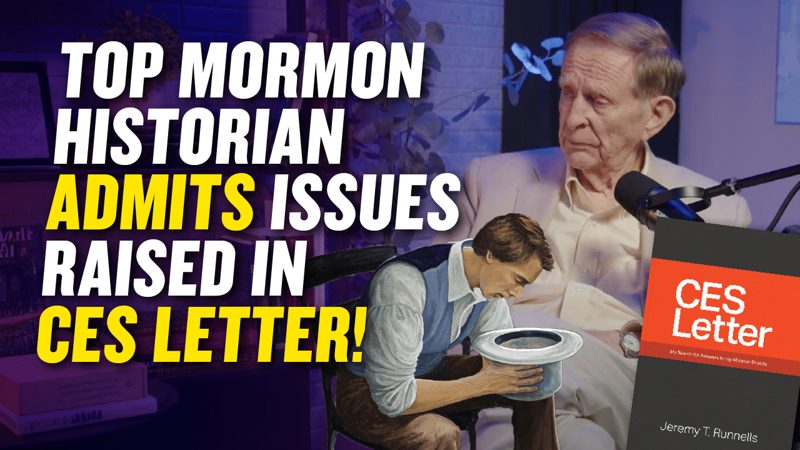 Top Mormon Historian Admits Issues Raised in CES Letter, with Richard Bushman Mormon Stories 1934, 2024
The author of the standard biography of Joseph Smith, and a believing member, on which of the difficult claims are simply true.
 The LDS Gospel Topics Essays, a history, with Dr. Matt Harris Mormon Stories 1365, 2020
How the Church came to publish its own account of the hardest questions, and why so few members know the essays exist.
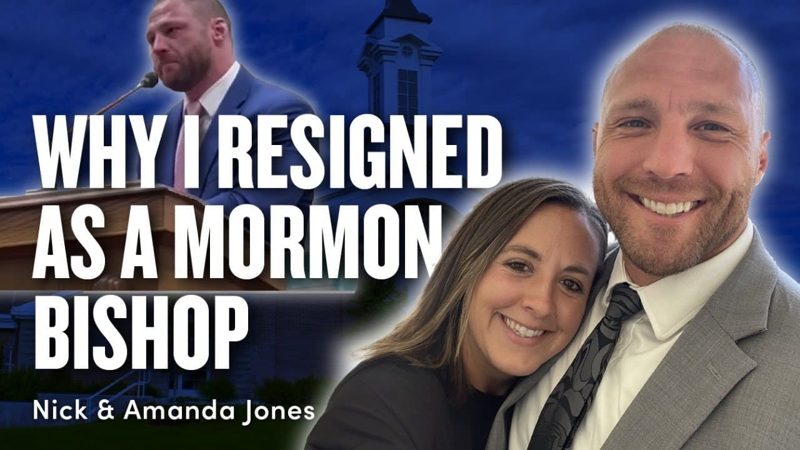 Why I resigned as a Mormon bishop, Nick and Amanda Jones Mormon Stories 1861, 2024
A sitting bishop's shelf breaks. What he learned, whom he told, and what it cost.
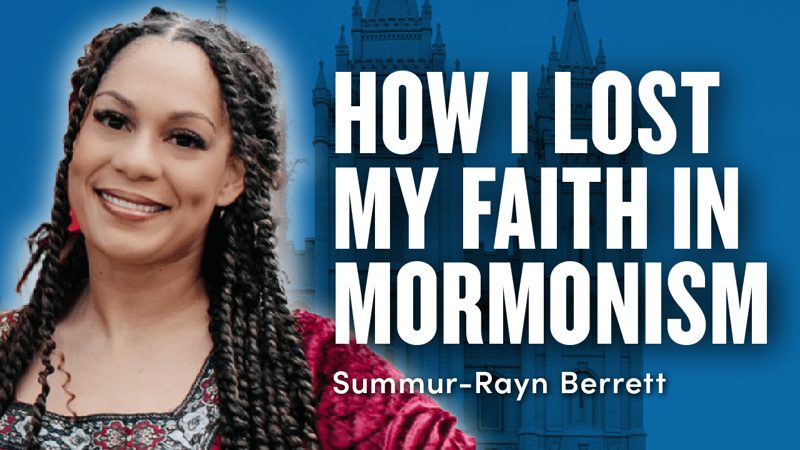 How I lost faith in Mormonism, Summur-Rayn Berrett Mormon Stories 1888, 2024
A recent, ordinary, and representative account of the whole arc.
More episodes on this, ranked
Mormon Stories interviews where this comes up most, beyond the ones chosen above.
-
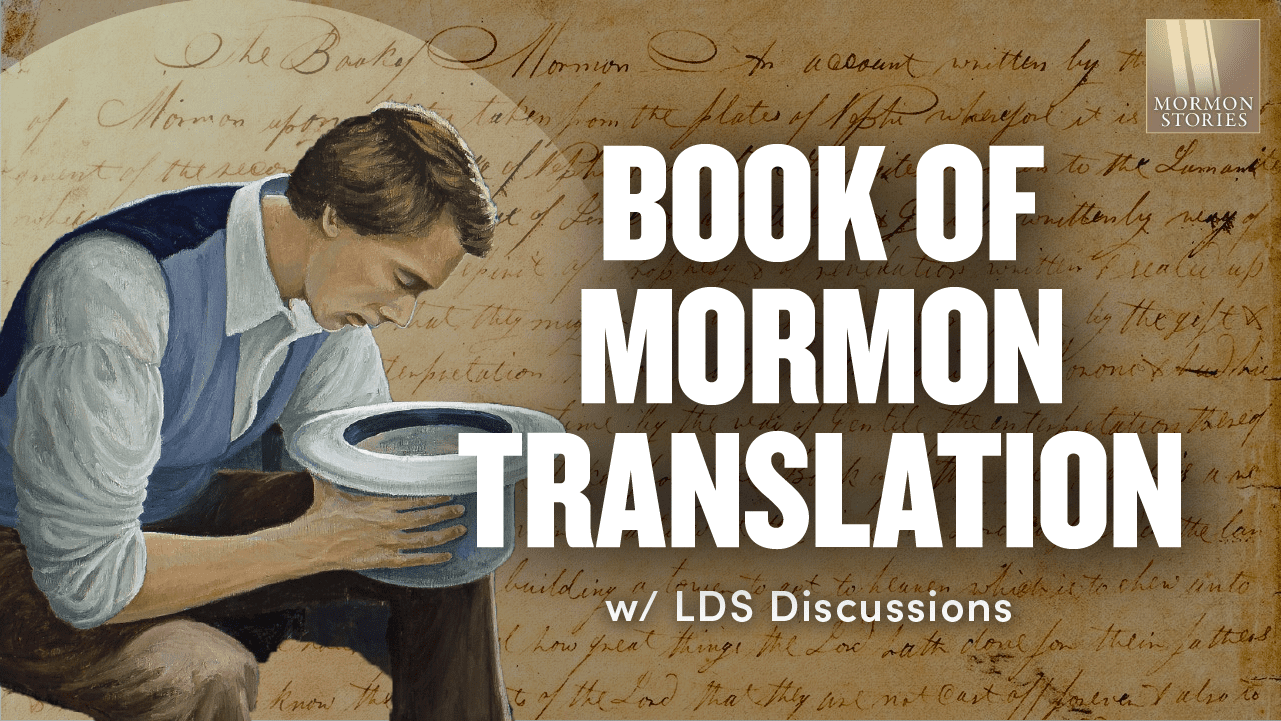 Book of Mormon Translation w/ LDS Discussions – 03 | Ep. 1585
Mormon Stories 1585, 2022 · 101k views · hear a moment at 2:33:05
-
 400: Top 5 Myths and Truths about Why Committed Mormons Leave the Church
Mormon Stories 400, 2013 · 181k views
-
 LDS Bishop Adam and Marlana Hughes – Leaving Mormonism in Tucson, Arizona | Ep. 1360
Mormon Stories 1360, 2020 · 124k views · hear a moment at 4:29:43
-
 1344: Captain Kidd, Treasure Digging, Joseph Smith, and the Book of Mormon
Mormon Stories 1344, 2020 · 38k views
-
 Book of Abraham, Part 2: Translation Apologetics w/ LDS Discussions – 31 | Ep. 1707
Mormon Stories 1707, 2022 · 55k views · hear a moment at 42:29
-
 My LDS Conversion and De-Conversion – Heather | Ep. 139-140
Mormon Stories 139–140, 2010
Ranked by the Mormon Stories episode recommender: what the transcripts say, what the titles and categories say, how widely the videos are watched, and what editors have pinned. Rebuilt with the site. Video plays here when you press play; the episode page has the audio and transcript.
Go deeper
- The LDS Gospel Topics Essays: a history, by Dr. Matt Harris (Mormon Stories 1365)
- Richard Bushman on the issues raised in the CES Letter (Mormon Stories 1934) — the Church's most respected historian
- Mormon History Synthesis — the Open Stories Foundation's sourced database of contested history