The reasons › The founding claims
Joseph Smith
The First Vision was recorded in several conflicting versions, the priesthood restoration was announced years after the fact, and the founder's career before and after 1830 raises questions about his credibility.
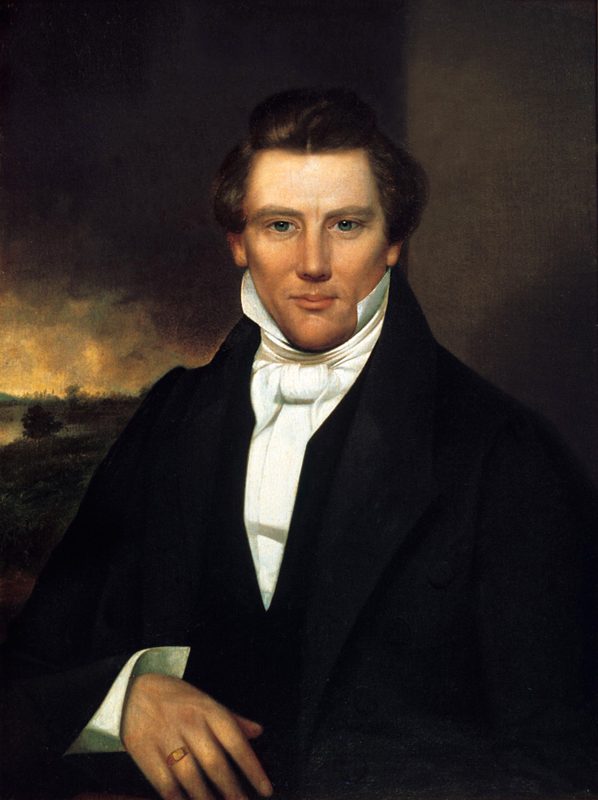
What members were taught
At fourteen, Joseph went into a grove to ask which church to join. God the Father and Jesus Christ appeared and told him none were true. He told this story consistently all his life and was persecuted for it. He was a martyr who sealed his testimony with his blood.
What the record shows
The First Vision was recorded in several conflicting versions, the priesthood restoration was announced years after the fact, and the founder's career before and after 1830 raises questions about his credibility.
"I lost faith in Joseph Smith" was the third most common major factor in the 2011 survey, named by seven in ten respondents. It is less a single issue than the place where the other issues land. The Book of Mormon, the Book of Abraham, polygamy, and the priesthood ban all run through one man, and the question respondents kept arriving at was whether that man told the truth.
The First Vision is the clearest example of why the question is so hard to avoid. The version every member learns, and every missionary recites, was written in 1838. An earlier account in Joseph's own handwriting, from 1832, describes a different experience: he was older, he had already concluded on his own that the churches were wrong, one personage appeared, and the message was the forgiveness of his sins. That account was not published by the Church until 1965, and for decades members who found it in the archives were told it did not exist. The Church's 2013 essay now presents all the accounts side by side; the survey shows the conflicting versions were already a major factor for 42% of respondents before the essay appeared.
What respondents describe is a cumulative loss of trust. Each item on the list has an apologetic answer, and most respondents had heard them. What they could not answer was the pattern: a founder whose story changed, whose translations do not check out where they can be checked, whose private conduct was concealed from his wife and his church, and whose successors concealed it from theirs.
In their words
“We didn't think this would happen in a million years. And we weren't looking for this. We didn't want this to happen. And that's why we did so much studying, is because I didn't want it to not be true. I wanted to stay in. I wanted it to be true. I wanted Joseph Smith to be who they said he was. I wanted the church to be what they said it was.”
Quotes are taken from machine-made transcripts of Mormon Stories interviews and may contain small transcription errors. Each links to the moment in the recording so you can hear it for yourself.
What people actually name
From the crowd-sourced 2014 comprehensive list, lightly edited.
- Four first-hand accounts of the First Vision written between 1832 and 1842 that differ on Joseph's age, his motive, who appeared, and what was said; the 1832 account in his own hand mentions one personage and no forgiveness of sins for the churches.
- No public mention of a visitation by Peter, James, and John until years after the event, and early witnesses who did not recall priesthood restoration as later described.
- A youth spent hiring out as a treasure seer, and an 1826 court appearance in South Bainbridge, New York, connected to it.
- The Kinderhook plates, a hoax planted in 1843, which Joseph began to "translate."
- The Kirtland Safety Society bank failure and the departure of many early leaders in 1837 and 1838.
- Ordering the destruction of the Nauvoo Expositor press in 1844, after it published accusations about plural marriage that later proved true.
- Marriages to women already married to living husbands, and to girls as young as fourteen.
What the Church has said
- Gospel Topics essay: First Vision Accounts
- Church History Topics: Treasure Seeking
- Church History Topics: Kinderhook Plates
- Saints, volume 1 — the Church's 2018 narrative history
Hear it first-hand
 Top Mormon Historian Admits Issues Raised in CES Letter, with Richard Bushman Mormon Stories 1934, 2024
The author of the standard biography of Joseph Smith, and a believing member, on which of the difficult claims are simply true.
 Joseph Smith's First Vision, with LDS Discussions Mormon Stories 1648, 2022
A careful walk through each account of the First Vision and what changed between them.
More episodes on this, ranked
Mormon Stories interviews where this comes up most, beyond the ones chosen above.
-
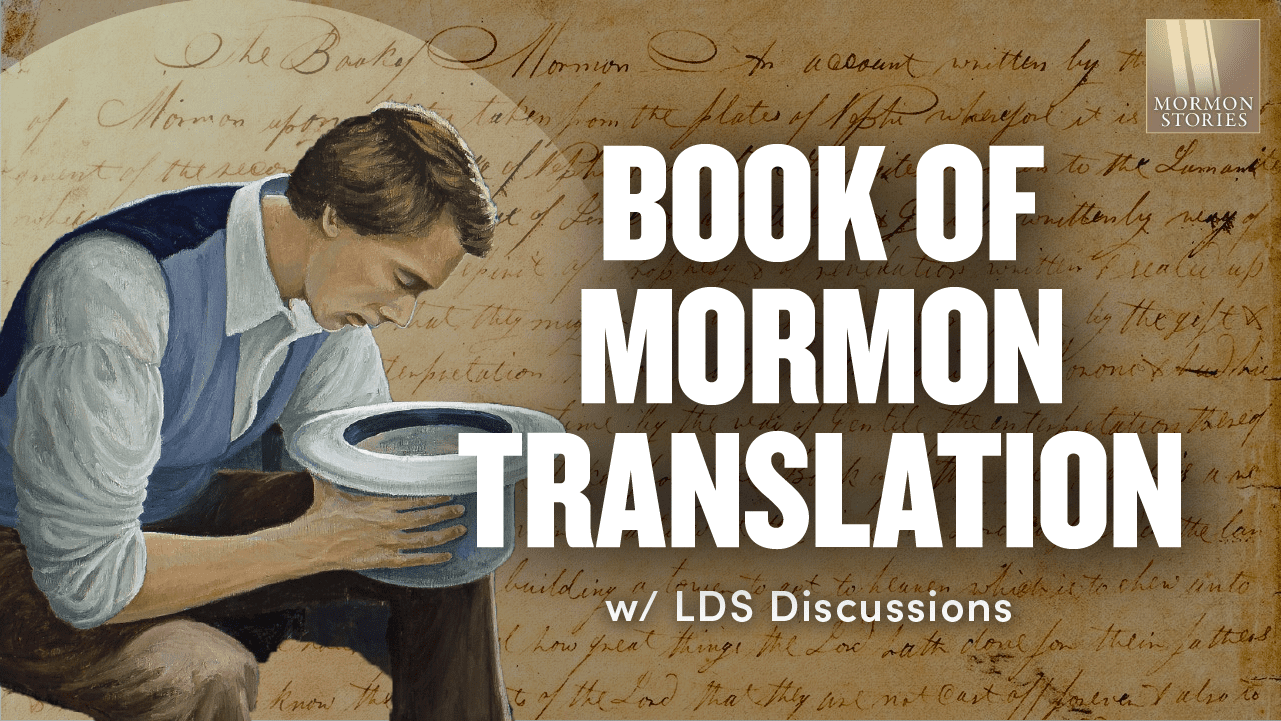 Book of Mormon Translation w/ LDS Discussions – 03 | Ep. 1585
Mormon Stories 1585, 2022 · 101k views · hear a moment at 2:33:05
-
 Polygamy Apologetics, Spiritual Wifery, etc w/ LDS Discussions – 29 | Ep. 1691
Mormon Stories 1691, 2022 · 77k views · hear a moment at 2:48:14
-

-
 1344: Captain Kidd, Treasure Digging, Joseph Smith, and the Book of Mormon
Mormon Stories 1344, 2020 · 38k views
-
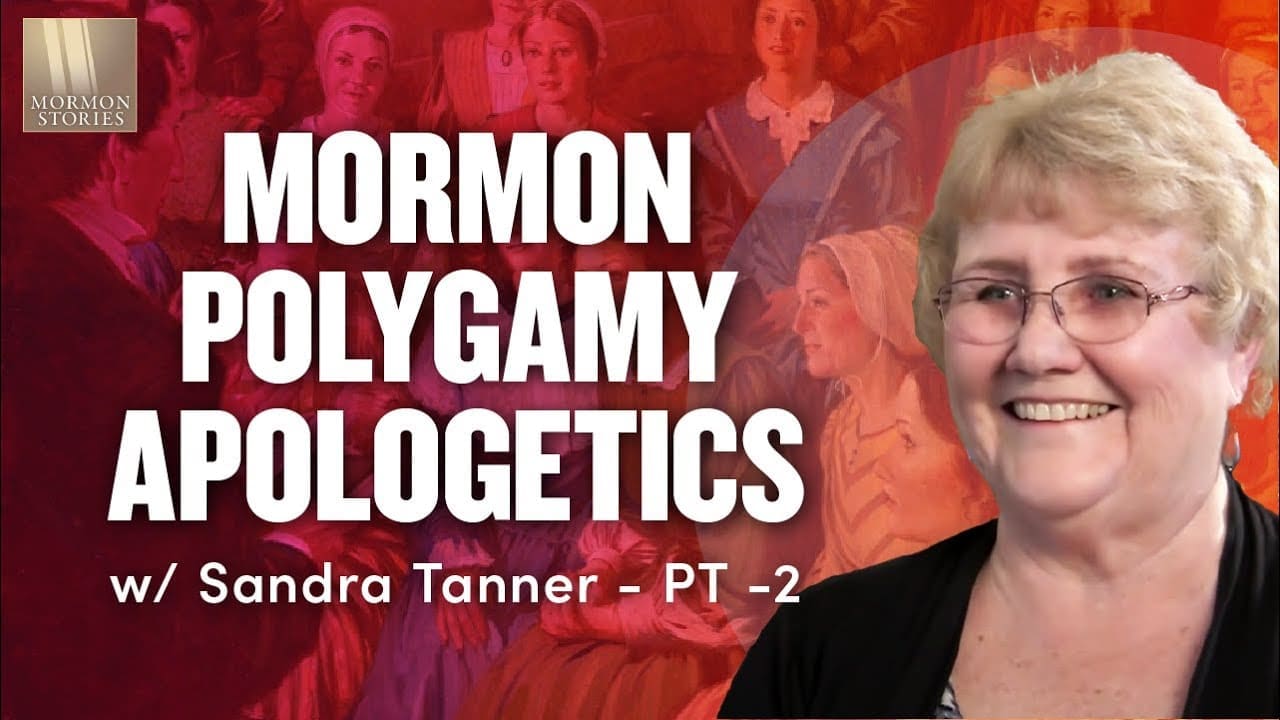 Mormon Polygamy Apologetics w/ Sandra Tanner Pt. 2 | Ep. 1565
Mormon Stories 1565, 2022 · 67k views · hear a moment at 9:50
-
 Book of Abraham, Part 2: Translation Apologetics w/ LDS Discussions – 31 | Ep. 1707
Mormon Stories 1707, 2022 · 55k views · hear a moment at 42:29
Ranked by the Mormon Stories episode recommender: what the transcripts say, what the titles and categories say, how widely the videos are watched, and what editors have pinned. Rebuilt with the site. Video plays here when you press play; the episode page has the audio and transcript.
Go deeper
- The Joseph Smith Papers — every surviving document
- Joseph Smith's First Vision (LDS Discussions, Mormon Stories 1648)