The reasons › What church life felt like
Not being fed
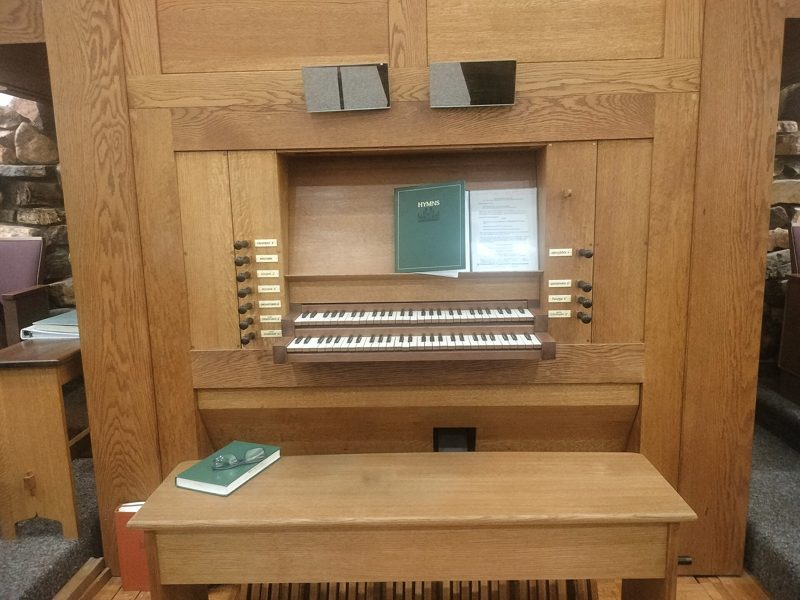
Nearly half of respondents said they simply stopped being spiritually nourished. Three hours of correlated lessons, repeated on a four-year cycle, taught by rotation, are experienced by many as empty.
What members were taught
Church is where you feel the Spirit. Three hours of meetings each week, callings, and the temple will nourish you. If you do not feel it, look to your own obedience. Boredom is a sign that you need to give more, not less.
What the record shows
Nearly half of respondents said they simply stopped being spiritually nourished. Three hours of correlated lessons, repeated on a four-year cycle, taught by rotation, are experienced by many as empty.
Not every reason on this site is an argument. This one is an experience, and nearly half of respondents had it. They kept attending long after they had stopped believing, sometimes for a spouse and sometimes from hope, and found that the meetings gave them nothing to stay for.
Latter-day Saint worship is unusually demanding and unusually uniform. Until 2019 it ran three hours every Sunday; the lessons are written in Salt Lake City and are the same in every ward on earth; the speakers are assigned, not called by gift; and the manuals were designed to avoid anything difficult. Members who arrive with a question find that the format has no place for it. Members who arrive with grief find a lesson on food storage.
Respondents also described coming to distrust the feelings the meetings did produce. Testimony meetings, youth treks, and swelling hymns reliably generate tears, and members are taught that tears are the Spirit. Several respondents, having felt the same thing at a film or a concert, concluded that the Church had built a machine for producing an emotion and labeling it God.
In the survey's regression analysis, this was one of the few reasons that correlated with staying rather than leaving, probably because people who list "not being fed" as their main problem are, by definition, still in the pews. It is also one of the easier ones for a congregation to do something about.
In their words
“I remember thinking, what is wrong with me, when I sit in the temple and I don't feel the spirit like everybody else says they do. And I got up in my singles ward and I bore my testimony about how I did feel it. I knew what to say.”
“I left because I went toward my values. I left because my values were goodness and love and growth and all these things, and I failed to find them in my local chapel.”
Quotes are taken from machine-made transcripts of Mormon Stories interviews and may contain small transcription errors. Each links to the moment in the recording so you can hear it for yourself.
What people actually name
From the crowd-sourced 2014 comprehensive list, lightly edited.
- Correlated manuals that avoid difficulty and repeat the same lessons every four years.
- Meetings experienced as boring, draining, and uninspiring rather than worshipful.
- Emphasis on obedience, rules, and administration over Christ.
- Talks and lessons assigned rather than offered, delivered by people with no training and often no interest.
- Emotional intensity manufactured through testimony meetings, pioneer treks, and music, which respondents came to see as manipulation rather than the Spirit.
- Service that served the institution (cleaning buildings, canneries, photo opportunities) more than the needy.
- Callings that consumed evenings and weekends and returned little.
Hear it first-hand
 Mormon faith crisis journey, TEDx, with Anthony Miller Mormon Stories 1593, 2022
A faith crisis explained to an audience that had never heard of one.
 Staying in the LDS Church after a crisis of faith, with StayLDS.com co-founder Brian Johnston Mormon Stories 142, 2010
For the 44% who kept attending. Why they stay, and how.
More episodes on this, ranked
Mormon Stories interviews where this comes up most, beyond the ones chosen above.
-
 254: Exploring the Future for Uncorrelated Mormons with John Dehlin
Mormon Stories 254, 2011
-
 397-399: John Dehlin and Faith Reconstruction
Mormon Stories 397, 2013
-
 Mormon Bishops Discuss Their Experiences | Ep. 1862
Mormon Stories 1862, 2024 · 261k views · hear a moment at 22:51
-
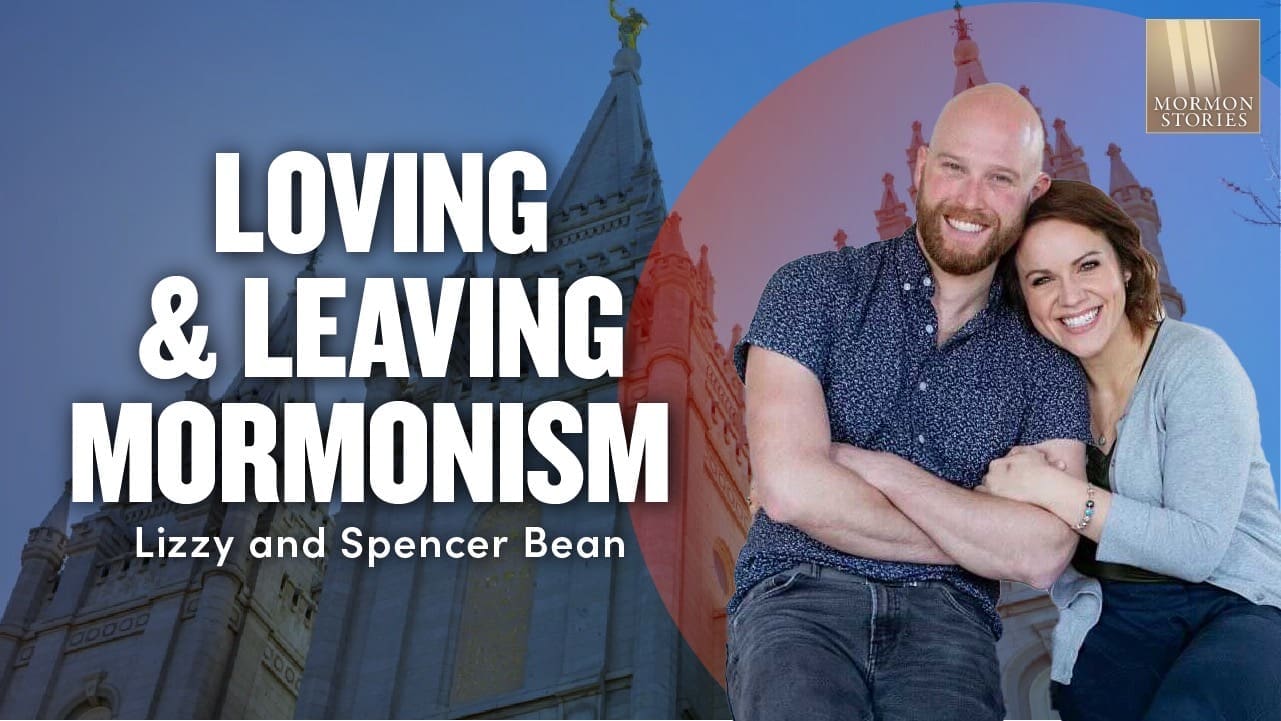 Loving & Leaving Mormonism – Lizzy & Spencer Bean | Ep. 1558-1560
Mormon Stories 1558, 2022 · 50k views · hear a moment at 1:35:51
-
 The “Therapist” that Ruined 8 Passengers – Experts React | Ep. 1807
Mormon Stories 1807, 2023 · 586k views · hear a moment at 1:18:43
-
 Staying Active in the Mormon Church as a semi- or non-believer | Ep. 758
Mormon Stories 758, 2017 · 7.1k views · hear a moment at 1:14:00
Ranked by the Mormon Stories episode recommender: what the transcripts say, what the titles and categories say, how widely the videos are watched, and what editors have pinned. Rebuilt with the site. Video plays here when you press play; the episode page has the audio and transcript.