The reasons › The founding claims
The temple and Freemasonry
The endowment was introduced seven weeks after Joseph Smith became a Mason, borrowed its signs and tokens from Masonic ritual, and has been revised repeatedly since.
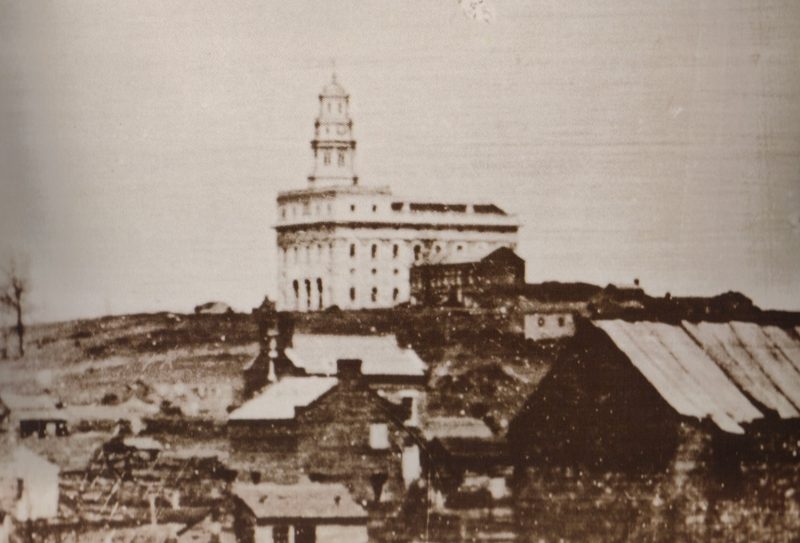
What members were taught
The endowment was revealed to Joseph Smith and restores the ordinances of Solomon's temple. It has always been performed the same way. Its resemblance to Masonry, if you have heard of it, is because Masonry preserved fragments of the ancient original.
What the record shows
The endowment was introduced seven weeks after Joseph Smith became a Mason, borrowed its signs and tokens from Masonic ritual, and has been revised repeatedly since.
The temple is the center of Latter-day Saint worship and the thing members are most reluctant to discuss. That reticence cuts both ways. Members are told very little about the ceremony before they enter, and the few who know its history are discouraged from talking about it. So when a member discovers, usually online, that the endowment's tokens, signs, and penalties are recognizably Masonic and that Joseph Smith introduced the ceremony within weeks of joining the Salt Lake City lodge's predecessor in Nauvoo, there is often no one to ask.
The 2011 survey found the Masonic connection a major factor for 43% and the changes to the ceremony a major factor for 35%. The second figure is worth pausing on. The ceremony is taught as eternal and revealed; members who attended before 1990 made covenants, with penalties, that members after 1990 never heard. Those who attended before 2019 heard women covenant to obey their husbands. A ceremony that changes with the culture looks, to many respondents, like a ceremony that came from the culture.
In the survey's regression analysis, "changes in the temple ceremony" was one of a handful of issues that predicted leaving rather than staying. Members who could tolerate a great deal of difficult history found it harder to keep attending a ritual they had stopped believing was ancient.
What people actually name
From the crowd-sourced 2014 comprehensive list, lightly edited.
- Joseph Smith was initiated as a Master Mason in March 1842 and introduced the endowment in May 1842; the handshakes, signs, penalties, and much of the staging match Masonic ritual of the period.
- Penalties in which participants mimed their own death were removed in 1990; the requirement that women covenant to obey their husbands was softened in 1990 and removed in 2019; other wording changed in 2005 and 2023.
- The ceremony is presented as unchanging and eternal, so each revision raises the question of which version God intended.
- Members are asked to make covenants before hearing them, and many describe the first experience as frightening, boring, or alienating rather than sacred.
What the Church has said
- Church History Topics: Masonry — acknowledges the resemblance and proposes Joseph used a familiar form for restored truths
- Church History Topics: Temple Endowment
Hear it first-hand
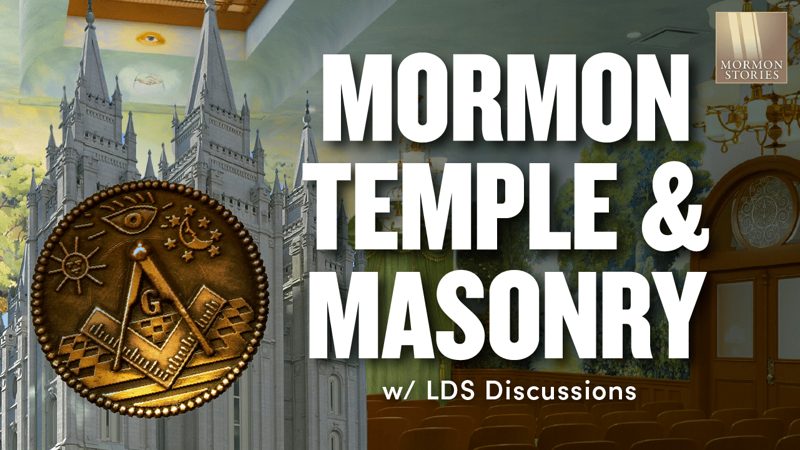 LDS temple endowment and Masonry, with LDS Discussions Mormon Stories 1669, 2022
Side by side, what the endowment borrowed from the lodge and how it has changed since.
More episodes on this, ranked
Mormon Stories interviews where this comes up most, beyond the ones chosen above.
-
 Mormon Temple Worker Loses Faith – Michelle Clyde | Ep. 1949
Mormon Stories 1949, 2024 · 127k views · hear a moment at 3:46:40
-
 Mormon U.K. Temple Insider: Sealer Martin Lock | Ep. 1909
Mormon Stories 1909, 2024 · 235k views · hear a moment at 2:01:17
-
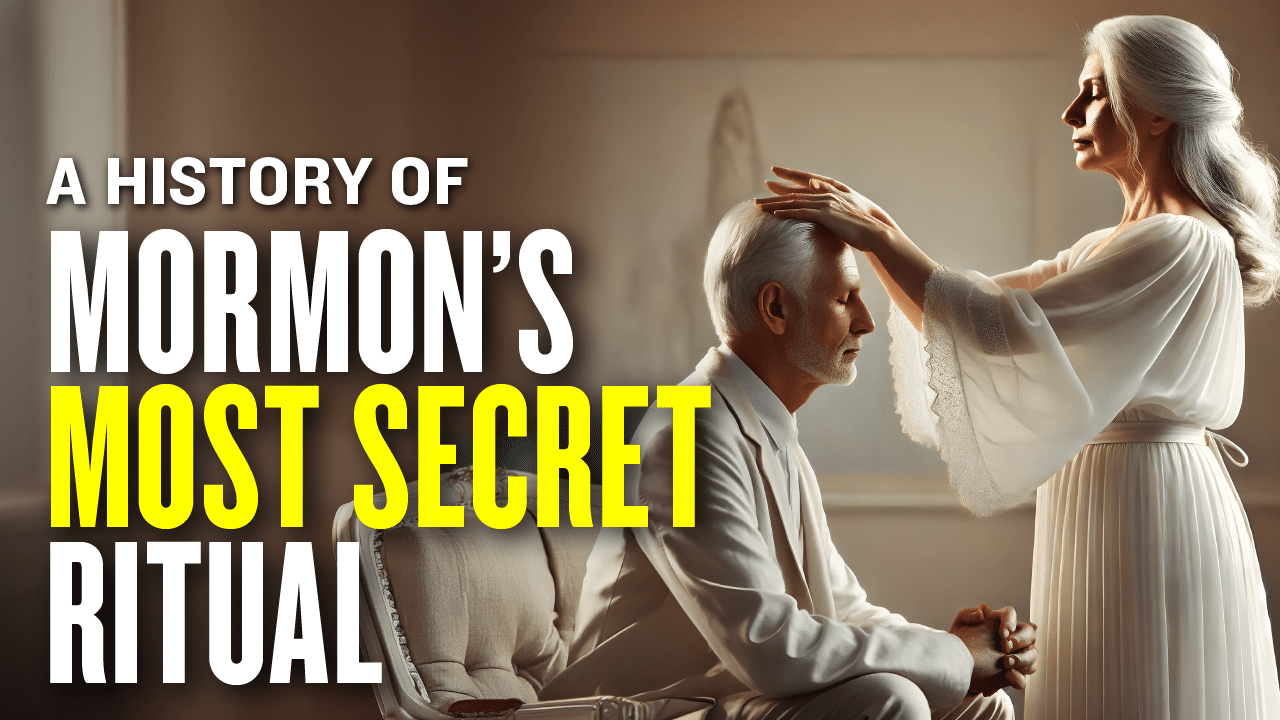 A History of the LDS Second Anointing | Ep. 1908
Mormon Stories 1908, 2024 · 129k views · hear a moment at 17:04
-
 High-Ranking Leader Leaves Mormon Church: The Second Anointing w Hans & Birgitta Mattsson | Ep. 1919
Mormon Stories 1919, 2024 · 133k views · hear a moment at 22:11
-
 Freemasonry & The Early Nauvoo Endowment Ceremony – John Turner Pt. 29 | Ep. 2108
Mormon Stories 2108, 2026 · 19k views · hear a moment at 1:46:09
-
 Mormon Church Hires LGBT Ally as Head Spokesman – The Mormon Newscast Ep. 5 | Ep. 1853
Mormon Stories 5, 2005 · 33k views
Ranked by the Mormon Stories episode recommender: what the transcripts say, what the titles and categories say, how widely the videos are watched, and what editors have pinned. Rebuilt with the site. Video plays here when you press play; the episode page has the audio and transcript.